
Please can we stop using the term “froggy legs”
This is going to be controversial but please, can we stop using the term “froggy legs”. That’s right, stop using the term which so many people use when discussing carrying babies in slings. My reasoning; it simply is not accurate and is used to describe so many different things that the meaning which it was initially designed for has been lost.

Ways the term “froggy legs” is used:
- legs in for a newborn
- knees above bottom or ‘m’ shape for a newborn
- knees above bottom or ‘m’ shape for an older baby
- even in a Buddha carry with ankles together
Times when term ‘froggy legs’ could be used accurately?
Well knees above bottom or ‘m’ shape with an older baby in a spread squat.
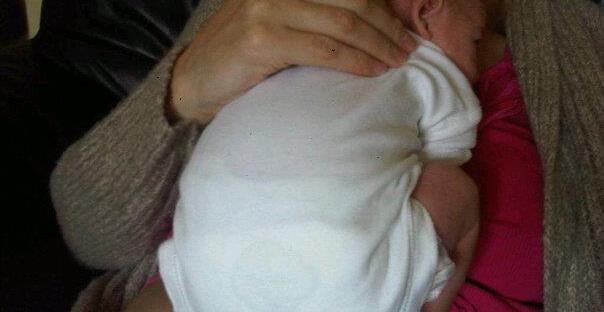
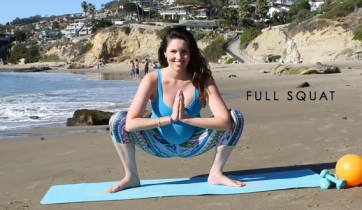
This is because a frogs legs are not in front of them; as you can see from the image above they are opened out to the side, ‘knees’ above their ‘bottom’ in an ‘M’ shape. A baby does not open their hips into this position until they are around the 4 month mark. The key visual clue being when they start to put their feet in their mouth. Until this point the position baby’s are actually adopting is a foetal position. But because baby isn’t lying on their side for us to see a traditional foetal position it gets missed. The two photos below show a newborn in the foetal position but only the image where the baby is lying on their side is a ‘classic’ foetal position. But in both they have brought their knees above their bottom, hands drawn near their faces and feet turned towards each other. This foetal position is probably the most commonly called “froggy legs”, when it is inaccurately used to describe the act of having baby “legs in” as opposed to “legs out”. Legs in positions are generally no longer taught or advised by most UK consultants as it can make positioning them in the sling harder. When babies are still very curled up positions such as the Front Double Hammock, Kangaroo and Pocket Wrap Double Hammock work very well as baby is hammocked in sling rather than sitting on the crosses with lots of fabric bunched in little knee pits.


The ‘froggy leg’ position should more accurately be described as a spread squat. Their pelvis has opened, their knees above bottom (flexed and abducted) in exactly the same way we as adults do when we do squats and even sit down. Baby is now able to bring their legs around their caregivers waist.

This position in a sling is illustrated in the following images.


The issue with using the term “froggy legs” is that it means so many different positions to so many different people; no wonder those starting their babywearing journey can be confused by what is best for their baby. Let’s try to regain the true meaning of “froggy legs” and work on how we describe baby’s position. Inaccurate use of terminology is only ever going to cause confusion.
 Firstly, I get the irony. I am about to say I don’t really like blogs and how they can cause hysteria when it comes to slings. But, I also realise how blogs can be educational and beneficial. They have a place but it is our job as a reader, and in the case of me and other babywearing educators to point out their flaws and often fire fight the consequences of their publication.
 as a babywearing consultant and busy sling librarian to provide clear and fact based articles. I too like to ensure that if I am stating something as ‘fact’ that I have the links to evidence to back it up.
 Slings and More
