

 I love walking and have spent many happy hours walking in the Lake District and Weardale with my husband, dog and children. We first took Henry when he was just 4 months old and we have been going ever since but I have never owned a proper carrier. By proper carrier I am referring to a framed back carrier which are commonly seen as a necessary item if you want to do some ‘proper walking’. Well, I think I come in the ‘proper walking’ category: this year we took Henry and Isaac (then aged 6 and 4) to climb Catbells and more impressively Hellvelyn (they successfully summited both). I did take a carrier for Isaac – it stayed in bag the whole time on both days.
 Framed carriers are quite bulky pieces of kit and when I first started carrying simply didn’t have the room to store one. They are suitable only for older babies and children (approx. 6 months) who can sit unaided. Visually they look very similar to walking rucksacks, often with thick structured waistbands and heavy padded shoulders. They are readily accessible in many high street shops and outdoor shops with most being priced anywhere upwards of £80 (with some of the most well known being over £100). For many then, they seem the ideal piece of equipment to spend your days walking.
Reasons people like them include:
- integrated storage
- sun canopies on some
- child can “see”
- no need to take child out – simply take off and use the ‘feet’ to stand carrier up.
- a little more roomy for the child
But, why then have I not felt the need to buy or use one? Firstly, they are bulky. I am used to carrying big backpacks but my spatial awareness is not one of my strong points. The bulk of them means I simply find them too big; especially if I want to traverse small gaps. I do not go on walks alone and thus my husband has been able to carry the necessary ‘baby kit’ in his rucksack. He has even been known to carry Henry on his back and a rucksack on his front.

Why do I need to buy another carrier? Many people who want to use a framed carrier already own a carrier that would work perfectly adequately. Soft Structured carriers are perfect. They fold small, so if you are carrying a slightly older child and they want to walk for a bit you can wear it without it feeling heavy or simply put in your bag, and most have the flexibility of front carrying (some facing out) and even hip carries, where as a framed carrier can only be worn on the back. In a Soft Structured carrier, the baby/child’s weight is also closer to you and this can help with balance and our centre of gravity. Framed carriers can, especially for smaller parents, feel like they are pulling you back and make you feel like you need to lean forward to compensate.


In terms of how baby is positioned in a framed carrier, this can vary from a seat to more of a harness in a frame. This has a big impact on the comfort of the journey for the child. The distance between the wearer and the child is an important factor to consider; especially in  cold weather or exposed environments. In most carriers where the baby/toddler’s torso is against the wearers front or back they will benefit from sharing body heat. If the child is too hot, heat transfer to adult occurs to help the child cool down, and if they are too cold, warm up. But this cannot happen when they are not against the adults body. An adult may feel perfectly warm but babies and young children cannot regulate their body temperature as effectively as adults, and thus can get much colder than you would expect.
Further reading, links and images
http://www.babywearingadvice.co.uk/backpacks.htm
http://www.sheffieldslingsurgery.co.uk/new-to-slings/welcome-to-slings/
https://www.cpsc.gov/content/cpsc-approves-new-federal-safety-standard-for-frame-child-carriers
Photographs are either my own and thus copyright belongs to me. For stock images please read copyright details below:
Copyright: dmosreg / 123RF Stock Photo
Copyright: dmosreg / 123RF Stock Photo

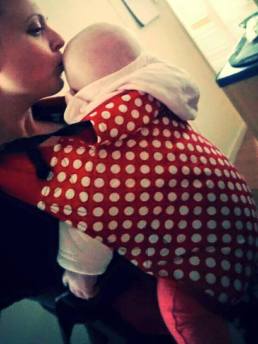 This blog is another guest blog in our series on carrying babies with additional needs. It is written by Sarah and tells of her experiences of carrying her little girl both before and after a late diagnosis of
 Many of you will have heard of


 Rosie’s extremely popular blog and article pieces for her own and other websites are frequently shared in the groups I am a member of. Rosie, like me, is keen to produce content that is educational, not sensationalist. We both pride ourselves on researching what we write. I was therefore not surprised when I found out that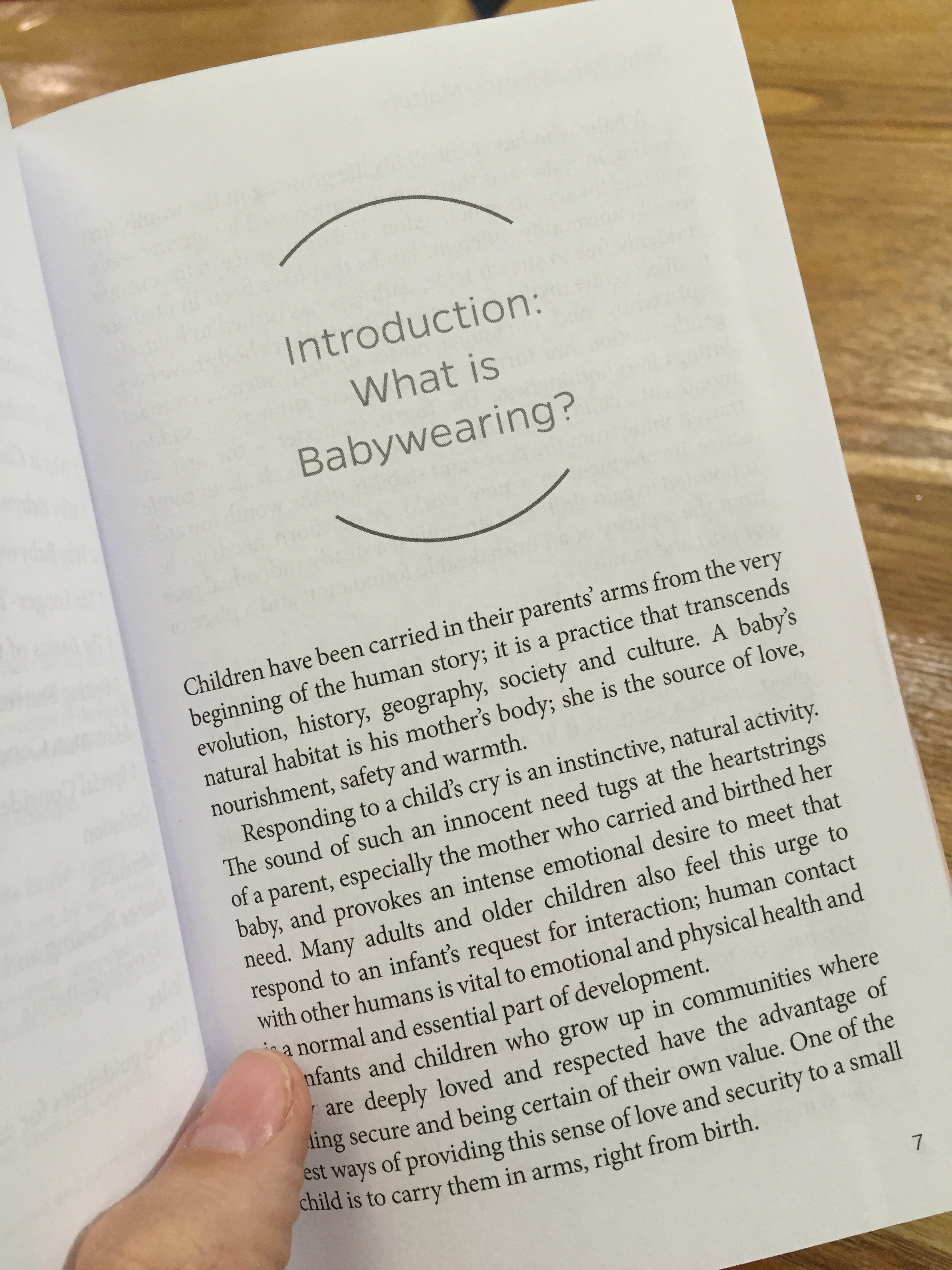
 Disclaimer: I was sent this book to review by Pinter&Martin but I was not paid to do so. The views are my own. My friendship with Rosie Knowles is well known and I have been lucky enough to know about this book from the beginning. However, I have not let this cloud my judgement. I have read Why Babywearing Matters in the same way I would read any book and would say if I did not agree or did not like it.
 Slings and More