Getting appropriate help

rachaelAs a Babywearing Consultant I see families of all shapes and sizes. I regularly see babies, toddlers and parents with complex medical needs. I also see families who just want to carry their children. They have sought my help and my expertise. They know I have been trained (and continue to do so) to help them. I am insured to help them. The number of Babywearing Consultants in the UK has grown massively since I first qualified. There are 3 active training schools in the UK, with 2 based on the continent who can arrange course here too. I have been doing this for over 4 years (nearly 5 as a sling librarian only). I have thousands of hours of experience. This experience is priceless.

As a consultant I do charge.  I charge because I have expenses to cover and a small living to make (this is my sole employment). I have carriers to buy and replace, insurance costs, BABI membership, website and printing costs, even simple things like tea and coffee. For £30 families get 90 minutes of my time, to demo, teach and trouble shoot, and a sling to take away to try. I can spot common mistakes, provide alternative ways of starting or simply say stop let’s start again. They get support before the appointment: from booking, to being able to select appropriate carriers before they arrive based on the needs they have expressed, post -consultation support via email, by phone and from within my group. They have a pack of materials to take home. Tell me how a YouTube channel gives you continued support?

cut screenshotThere are a plethora of YouTube tutorials (hey I have my own) and lots of Facebook groups out there. I am a member of lots of them and even admin in some. I give this time for free. I do it to provide some form of I hope trained, clear and high quality support. But, there is only so much I can do via text. Sometimes there are just times when I need to see people in person, or they need 1:1 help from their local consultant (find yours on Sling Pages). There are times when very often I simply just put “see a consultant”.  For example:

“My baby is 3 weeks old but only weighs 5lb”

“My baby was premature, what is the best stretchy to use?”

“I have x,y,z condition can I use a sling?”

“My friend has just had a baby but it has X,y,z, what should I buy them?”
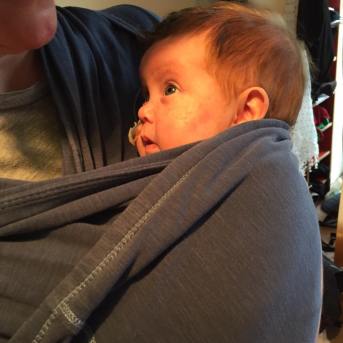
charlotteThey are just a few examples. These families need support but they need specialist support. Carrying a low birth weight or premature baby need special consideration. Are there issues with muscle tone? Feeding or oxygen tubes to work around? Special handling techniques needing to be followed? It isn’t simply just a case of follow TICKS, as crucial as they are not the only consideration. I also sometime see people suggest “visit a sling library”. But for the cases above and many more this is would not be appropriate, and I say this as a sling librarian from a large and active sling library. The simple issue being time. They require more time than I can physically give in approximately 10 minutes. I have a plea, as good as your intentions are by saying “visit a sling library”, please think, would a better reply, for those families with additional needs, be “visit a consultant”. Help families to get the appropriate help to their needs. Appropriate doesn’t need to be because they have complex needs. It may be they want to try lots, worried about feeding in public, can’t make the times the library is open.

upbabyprojectuk-logo-square_hi-resFor families with babies (or wider family) with complex needs but who can’t afford a consultation it is worth contacting The Up Project. For those in the North East I am their DBS checked and I house trained consultant. I give my time for free to this worthy cause. If you don’t qualify under their terms, it is worth asking your local consultant if they can offer payment plan, skills swap or reduced price appointments too. We want to help as many families as possible, we simply can’t do it for free.

Reflections of a babywearing consultant and mother

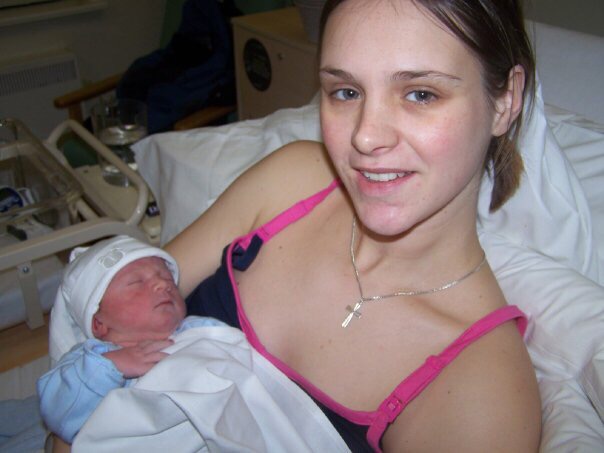
Four years ago today I had just been discharged from Ward 8 of the University Hospital of North Durham, also known as ‘labour ward’ or the delivery suite.

Four years ago today I had just been discharged from Ward 8 of the University Hospital of North Durham, also known as ‘labour ward’ or the delivery suite. I had been there since 11am after being sent as an emergency by my community midwife following a routine 33 week appointment that morning. I had spent the previous evening and most of the night in agony. My bump tightening and feeling very sick. I had barely slept. I couldn’t eat. I felt, as the ‘On this Day’ feature of Facebook tells me, “like death warmed up”. 

Today it is Mother’s Day and I am blessed to be the mum of two beautiful boys and a loving husband. They have spoilt me rotten today.


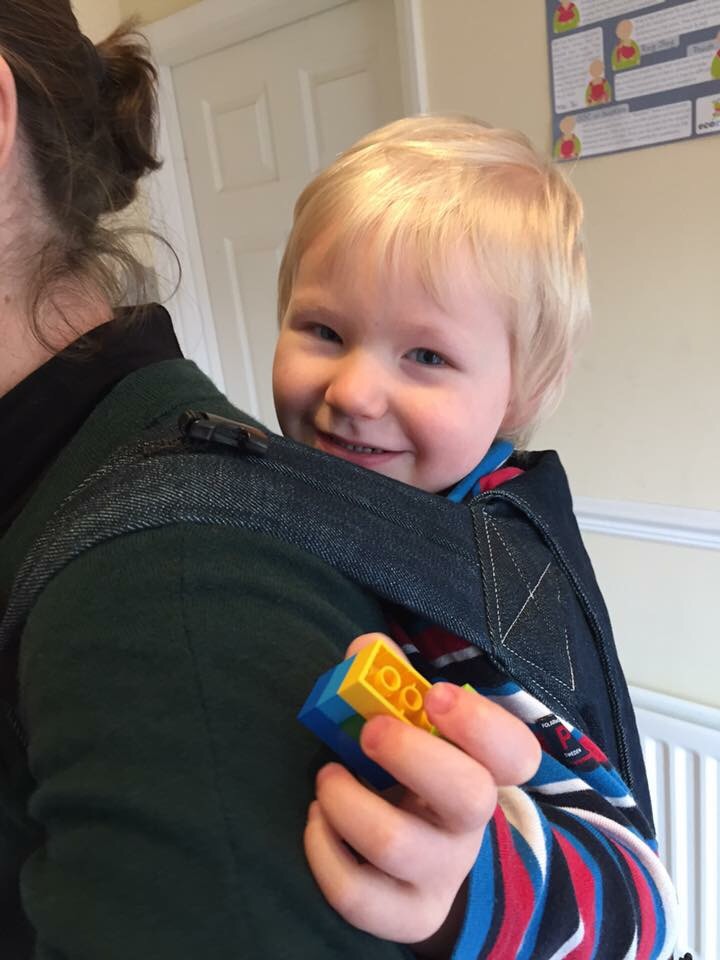
Baby C thankfully did stayed put. The tightening’s continued and I spent most of the next 5 weeks on bed rest before ‘nesting’ kicked in at 39 and a bit weeks. Isaac was born at 40+5, a Born Before Arrival birth in just 18 minutes, he has been a whirlwind ever since. He is my carried baby. He is the one I carried from 8 hours old. Carried when he couldn’t feed, carried when breathing difficulties associated with Obstructive Sleep Apnoea meant he couldn’t breathe, carried as he recovered from countless chest infections and medical procedures, carried following surgery and carried to keep him close when he was scared. He is a definite ‘mummies boy’.


But Henry, carried for the practical reason of walking the dog is just as loving. This morning, he came downstairs, got a bowl, filled it with Special K and milk and carried it carefully upstairs to give me ‘breakfast in bed’. Nobody told him to do it, he came into the bedroom silently. I didn’t even know it was there. Unfortunately by the time I did it was inedible. But that isn’t the point. He did it for me, because I am his mum, because he loves me. He might be a true boy, rushing about at 100 miles an hour. Off without a second glance when we get to the school yard each morning but he knows I am there. From the little quick kiss that he plants on my forehead then walks away, or the hand he puts on my lap when he thinks no one is looking, they are his way of saying that I mean something to him. He made me a mother. He and Isaac have shaped my very being since the minute they were created.


Without them I would not be me. I am not just Henry’sMummy (my username on many a forum) or Henry and Isaac’s Mummy. I am Rachel but being Henry and Isaac’s mummy is a very big and special part of me.

Without them I would not be me. I am not just Henry’sMummy (my username on many a forum) or Henry and Isaac’s Mummy. I am Rachel but being Henry and Isaac’s mummy is a very big and special part of me.

The day before Isaac’s attempted arrival I had completed my first every babywearing consultation. I had finished my Trageschule Foundation course just 28 hours before. I had travelled nearly 600 miles in 4 days, completed a 2 day course and then a 90 minute consult (it was during that the pains started). And do you know what? I wouldn’t change it for the world. I completed my last consultation just 11 hours before he was born and restarted them just 3 weeks later.

I had finished my Trageschule Foundation course just 28 hours before. I had travelled nearly 600 miles in 4 days, completed a 2 day course and then a 90 minute consult (it was during that the pains started). And do you know what? I wouldn’t change it for the world.

I am honoured to be a carrying or babywearing consultant. I am honoured that so many Mother’s and Father’s let me into their homes, or come to mine, let me hold their precious bundles, their miracles of creation, carry them and show them how to do carry them too. Whether they are their biological children, the result of IVF, surrogacy or adoption, they are all special, they are all unique. Each family is unique. Each set of circumstances unique. I have completed hundreds of consultations since then. Thousands of hours are spent dedicated to helping each family, before, during and after their appointment. My own children are often the ones to suffer, while I answer the phone or an email. They want me but I know others want and need me too. It is a balancing act that I am still mastering.

  
 Four years since I qualified as a babywearing consultant I have gone on to complete 3 more consultancy training courses, I have grown my sling library, I have stopped teaching, I have become solely self employed with all the ups and downs it brings. I have shown strength I didn’t know I had. I have cried tears of joy and sadness. I have spent sleepless nights worrying about families and hoping that I have made their lives just a little bit easier. I am truly thankful for the life that my children have allowed me to lead. Without them and their need to be carried, I would not have found slings. I would not have found the mamas who shared their knowledge with me, I would not have found something I have a passion for and a belief in. Thank you to my boys, my husband and the hundreds of families who have asked me to help them. Thank you to my Mum, who is the reason I am here.

Happy Mother’s Day everyone. I hope you have enjoyed it. I hope you have been spoilt and I hope you have many, many more to come.

What the flip? Part Two: How to create a close shoulder flip.

In my recent What the flip? article I discussed the reasons why shoulder flips can be useful when using a number of different slings. It considered the reasons for and against closed and open shoulder flips. In this piece I am going to look at two different methods of achieving a closed shoulder flip. A closed shoulder flip is a secure flip. It helps create a clear space around baby, can make a sling more comfortable by spreading weight over a wider area, help support knee by creating a vertical line and supporting the back with a horizontal line. Learning how to achieve them is a skill that can add an extra set of tools to a sling users toolkit.

There are two methods to achieving a closed shoulder flip. There is a large level of personal preference in which method will choose to use. Neither is the right way. It is up to you. The first involves allowing the fabric to fall from your shoulder before lifting the bottom rail up to your neck. The second requires you to guide the top rail underneath the sling until it has taken the place of the bottom rail. Both work equally well, both are secure closed flips.

 Method 1 – fall and fold.

Decide which carry you wish to do and why you need to achieve a shoulder flip. I am doing a front double hammock. I have switched which wrap I use for teaching purposes during the slide show.

In this method you allow the wrap to fall gently from your shoulder slightly, creating enough space for you to fold the bottom rail up so that it is closest to your neck, creating the vertical line to support the babies knee. When you have completed this, gently gather the slack on your shoulder so you are left with a small capped sleeve, rather than the full width of wrap down your arm.

This slideshow requires JavaScript.

 Method 2 – up and under.

Here you can see the method  of reaching underneath and working top rail out. Choose which carry you are wishing to create. I was opting for a Front Double Hammock here. Supporting babies weight with one hand reach up and underneath the fabric to grab the top rail. With this wrap this is the pink stripe. Gentle work this underneath the fabric until it is out in the place of the bottom rail. As you can see here the purple bottom rail is now closest to my neck and the pink stripe is now on outside furthest away from me. This pink top rail is helping to support babies back and provide tension to the carry. The purple stripe is creating a vertical line from babies knee and helping to support this it.

This slideshow requires JavaScript.

Once achieved closed shoulder flips are extremely comfortable and secure. Why not have a go too? Why do you like a shoulder flip? Do you opt for open or closed?


What the flip?

emily d shoulder flip1

I spend lots of my time as a carrying consultant telling parents that they can flip the shoulder on their wrap,  wrap strap carrier and even pouches and ring slings. But why? What difference does it make and what an earth is the difference between an open and closed shoulder flip? Sometimes a the term shoulder flip is used to describe a pass which comes under arm and flipped back over shoulder to create a rucksack pass. In this blog we are looking at shoulder flips which spread the wrap over shoulder as seen in the photo to side of screen.


Shoulder flips serve many purposes and they reason for flipping the shoulder can effect which way you want to do it. (Photo with thanks to Emily Dickinson).

Reasons for flipping your wrap include:

  • Safety – it ensures we can keep baby visible by allowing clear airspace around baby
  • Comfort – by cupping the shoulder it helps distribute the weight of baby across a wider area. Many people find it less diggy than a ruck sack pass.
  • Tightens the top rail and removes slack
  • Lines of support by anchoring the wrap in place – that is to provide vertical lines in a carry that can help keep knees high. A horizontal line in rebozo or ring sling carries helps prevent the wrap going across the baby at an angle. 
  • Look – change the colour or contrast of your wrap. Great for wraps with different coloured sides or a right/wrong side.

“I most often use it to provide greater comfort for me. I love the way it cups the shoulder and spreads the weight.” (Suzanne Pearson, Sling Stars).


“It doesn’t dig in when you flip a shoulder, as opposed to ruck straps which can be diggy.” (Renee Jeffery, Close Enough to Kiss Magazine and Norwich Sling Library)

Open or closed?

In this image (courtesy of Rosie from the Sheffield Sling Surgery) you can see both an open shoulder flip on the left and closed on the right (as you look at screen). Both have helped to create space around the baby’s face and both are cupping the shoulders and spreading the weight of baby. But why do one over the other?

closed and open

Open Shoulder Flip

Open shoulder flips are quick, they can be achieved easily and help create that much needed clear space around babies face. They are not though secured in place and can come undone with movement.IMG_5246

They are a temporary quick fix solution securing it in place. By spreading the pass down her arm and folding the bottom suzanne openrail up again it also helps to make the wrap more comfortable for Jen to use. Here you can see the open shoulder flip in its full effect and how well it clears the space around baby’s face.
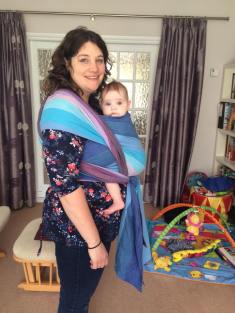
 

“It gives a clear airspace around the face in stretchies.” (Jacki Davenport, Director of Slinging London CIC).

Closed Shoulder Flip

rosie closed shoulder


Closed shoulder flips are a secure flip, they cannot come undo and this makes them more suitable for longer period of carrying. They again help create a clear space around the baby’s face by creating a horizontal line with the top rail (yellow rail in this photograph of Rosie from Sheffield Sling Surgery.

sling stars

This helps tighten this rail too making the carry more supportive by removing slack.


The vertical line that is created (green rail in this case) provide support in babies knee pit and helps keep it raised for optimum positioning and comfort. Striped wraps can make working out which rail is which much easier with their clear contrasting rails. You can see in this photo the clear vertical line fro babies knee pit up to shoulder.

Finally

How you decide to flip your shoulders, if you decide to flip them at all, is up to you. They can make it much more comfortable for you, make it safer for baby and tighten the carry, as well as being aesthetically pleasing to look at. Next up, I will write a photo tutorial explaining two different ways to achieve a closed shoulder flip.

I” love how you can change the colour contrast of your wrap from just a shoulder flip (if your wrap has stripes or preference to the wrong side look)” (Natasha Wheeler, Carrying Consultant)

emily d open shoulder flip

Links and Thank You

Thank you to the three Slingababy trained carrying consultants who shared their photographs for this piece. Emily Dickinson of The Wirral Sling Library, Suzanne Pearson of Sling Stars and Dr Rosie Knowles of Sheffield Sling Surgery. Thank you to Jen and Baby Tessa for modelling for us too.


Carrying and its role in Toby and Teddy’s lives

The next in our blog series on carrying children with additional needs is written by Rachel. She is a mum of two boys and lives in the North East. Her eldest son was diagnosed with Autism just after his second birthday. Autism is a spectrum disorder and those with the condition can vary in severity. Autistic Spectrum Disorders are a “condition that affects social interaction, communication, interests and behaviour”.  Difficulties in communication and social interaction can have a massive impact on families. Carrying Toby, and his younger brother Teddy, has allowed Rachel and her husband to adjust. I will let Rachel take over now. Continue reading