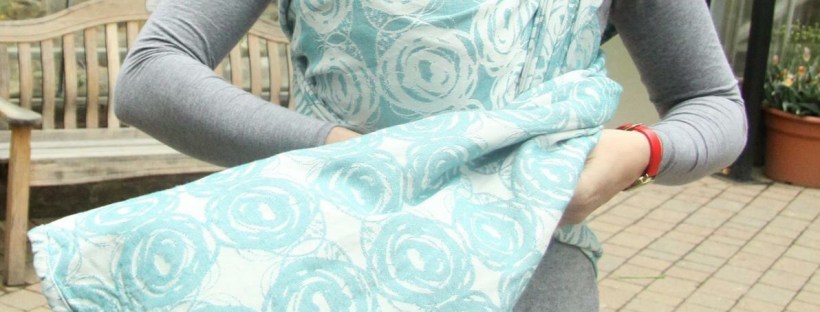
Hoods, head rests and supporting little heads.

IMG_0388Babies are both fragile and tough in equal measure, and this is why we are always told to “support” baby’s head. But, how and where should this support come from? As a consultant and a sling librarian one of the most common questions I am asked is “will that support her head”?

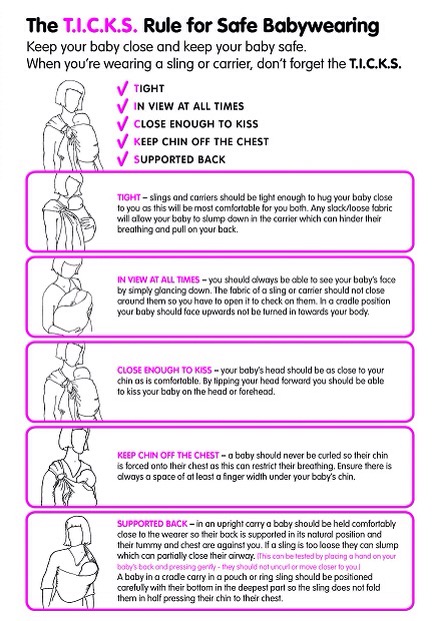
As with all safe sling use, the first thing we must consider is TICKS. Taking the first two items from this list, any sling should ensure that the baby is held tight against the wearer, remaining visible to the wearer always. Furthermore, the carrier should fully support the baby’s spine. If a sling is worn so that baby’s head is tucked inside it can make it tricky to see them. Therefore, if you are going to use this method, only the pass on side away from a baby’s head should ever be used – no fabric should ever obscure their face. However, a sling that is worn tight and providing support all the way to nape of the baby’s neck will provide all the support they require. For example, with a pre-tied stretchy wrap the passes should cross at the nape of their neck, with third layer coming to this point too. It should not be necessary to cap their head for support; although I understand some babies like the security it provides them (while others detest it completely and will fight it).

IMG_1836

We are told to support their head because it is disproportionately large when compared to the size of their body (at birth it is already half the size of an adult’s head) and is roughly the same size as their chest until around two years old. Although, the head is well developed (to allow for brain development and growth), the muscles of the upper spine are not as well developed and take time to develop. The upper curve of the spine, the cervical curve, develops first and can be seen developing in infants from around 6 weeks.

This slideshow requires JavaScript.


jshapeBut surely, a baby’s head will loll backwards if not supported. Not necessarily, the spine is an amazing invention and by ensuring a baby is fully supported and has a pelvic tuck (being held in their natural foetal/ m shaped position, with knees above their bottom, it is impossible for head to loll as the vertebrae stop it. This image from Sheffield Sling Surgery shows just how supported a baby is simply by being held in the correct position, without the need for anything supporting behind the babies head. Try it yourself by completing a full squat with your feet flat to the floor, bottom lower than your knees and not ‘supporting’ yourself with your hands. The minute you rock out of the squat you will be able to tilt your head fully back but not while in the squat positon. This is another reason having the carrier tight is important, by preventing a baby from slumping (and compromising their airway) they also can’t rock out of the squat. The first place anyone should consider adjusting for a baby that has a lolling head is their pelvis – the spine after all is all connected to one and other.
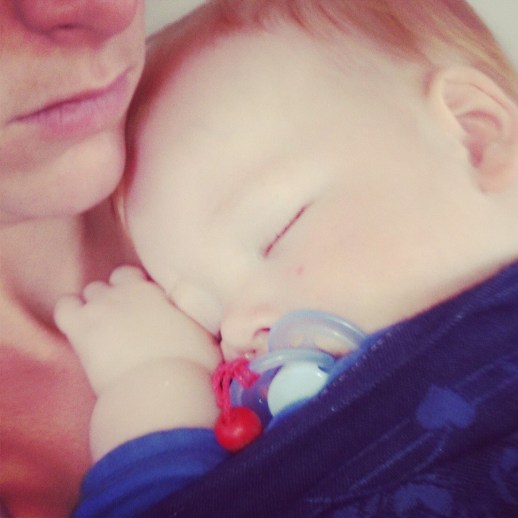
IMG_0390

Another issue to consider when ‘supporting’ a baby’s is head, is that the carrier does not prevent movement. In the event of danger, even small babies can normally move sufficiently to try to remove or reduce the threat. But it is not just cradle carries where babies head is held fixed by a carrier. Unfortunately, the weight of their head can force the chin onto chest and obstruct a baby’s airway. This is most common in cradle carries. Carriers that have high-flat elasticated sides, as well as forcing chin onto chest by encourage even more curling of the spine, also can cause rolling towards the wearer. Both of these mean that the ability for baby to move their head away from trouble is restricted. It is for this reason, that most ‘bag style’ slings and cradle carry positions have been removed from sale or removed from instructions. Many carriers extol the benefits of their ‘headrests’ but if the baby can’t move their head (often due to ill-fitting carriers) then this head rest could be dangerous.

 A ‘headrest’ is a strange term, as the head should ideally rest against the carrying adult. Further support behind the head is of course possible in many carriers, or with a supplementary hand, but it should not come at the expense of freedom of movement. Nicola Lawson, The West Yorkshire Sling Library

IMG_5249The final element to consider is the use of ‘sleep hoods’. Although, they can make a novice sling user more feel more comfortable when their baby is asleep, they should never be fastened on both sides to that the baby cannot move their head or so that the flow of oxygen to baby is compromised. In hot weather, it is also harder for baby to cool down if they are being covered too. The temperatures of ‘covered’ baby’s, whether in car seats, pushchairs or carriers, can quickly increase.  If hoods are fastened in such a way, it impossible to keep baby in view, it is impossible to check on their well being.

I know that hoods, passes and head rests can help sling users feel more confident but they should never be at the detriment of safety. A gentle hand if leaning forward should be sufficient. If it isn’t, the carrier needs adjusting and fitting correctly. This is what your local sling professionals are here for, so just ask. You can find your nearest consultant/library by visiting Sling Pages.
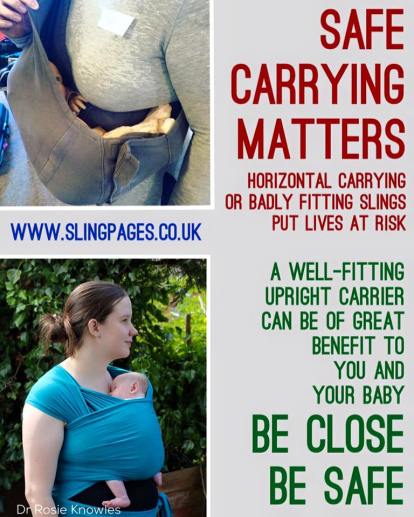
Be safer

With thanks to Dr Rosie Knowles of Sheffield Sling Surgery for allowing us to use her images and for proof reading this article before publication. Thank you to Suzie Young (registered Midwife) for reading through it too.

Carriers for All Campaign

charlotteI’m a little scared to share this but today I launched my first ever crowdfunding project. The aim of the North East Sling Library is to help as many families as possible in the North East to carry their babies big and small. In the nearly  6 years we have been running we have never applied for any form of funding and have self-funded from my savings in the early days and now day to day costs (insurance, new stock, etc) are covered by fees, so this is all very new for us. But I have a very specific plan and this blog is to tell you more.

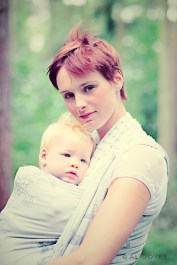
We currently charge £5 for 2 weeks hire and £8 for 4 weeks (as of 1st May 2017 this will rise to £7 and £10). This can be reduced for families in receipt of means tested benefits (you can read more about this in our mission statement) but I know there are still families who could benefit from our help. This is where crowdfunding comes in.

gofundme

We have launched a Carriers for All Campaign  with GoFundMe. We are looking to raise £300 to help create a dedicated library of slings that can be hired free of charge for 3 months (and then at a nominal fee of £5 per month) for families with children with additional needs or life limiting conditions, or families experiencing PND (although we may be able to help other families too – the more help we receive the wider our remit can be). We have spent the last 18 months or so sharing stories of how our carriers (or a carrier) has helped families in a number of different situations. Here is a chance to be able to help even more. Families will need to be referred to us via a Health Care Provider (GP, HV, MW, Physio etc). Although, if you see a family you think would benefit but don’t fall under HCP category do send us an email (rachel@northeastslinglibrary.co.uk) and we can see if we can help. Further details of how to apply will be added to our website in the next few days.

We need your help. We initially want to raise £300 but the more we can raise the more families we can help. GoFundMe, unlike some crowd funding sites, pays out any donations, so this is very much an every penny counts project. This money will be used to buy carriers that can be used from birth (including premature baby) to preschool and beyond. There a number of thank you rewards available but we truly hope that people can see the benefit in this project.

I want to say thank you for the bottom of my heart and urge you to support us. To help our campaign just visit our GoFundMe page. It would be amazing if you can share the link too!

Best Wishes

Rachel

View More: http://alidover.pass.us/rachel

Kindness of individuals

Today saw the launch of The Diana Award’s National Kindess Day and this blog is about the small acts of kindess that make a big difference. 

The last few weeks have been pretty rubbish for me. I have been quite unwell and have spent a period of time in hospital and time recovering at home. While the doctors try to work out what has caused me to be in so much pain, I have been feeling quite lonely. I have been unable to work or run the library. Thankfully my super star team of admin have been brilliant. 

However, on Tuesday evening I was feeling particularly rubbish. My husband was away. My tummy was swollen and I was sore. I turned to the library Facebook group and simply said, “I need cheering up, show me your carried babies or simple similes”. The group did not fail to disappoint.

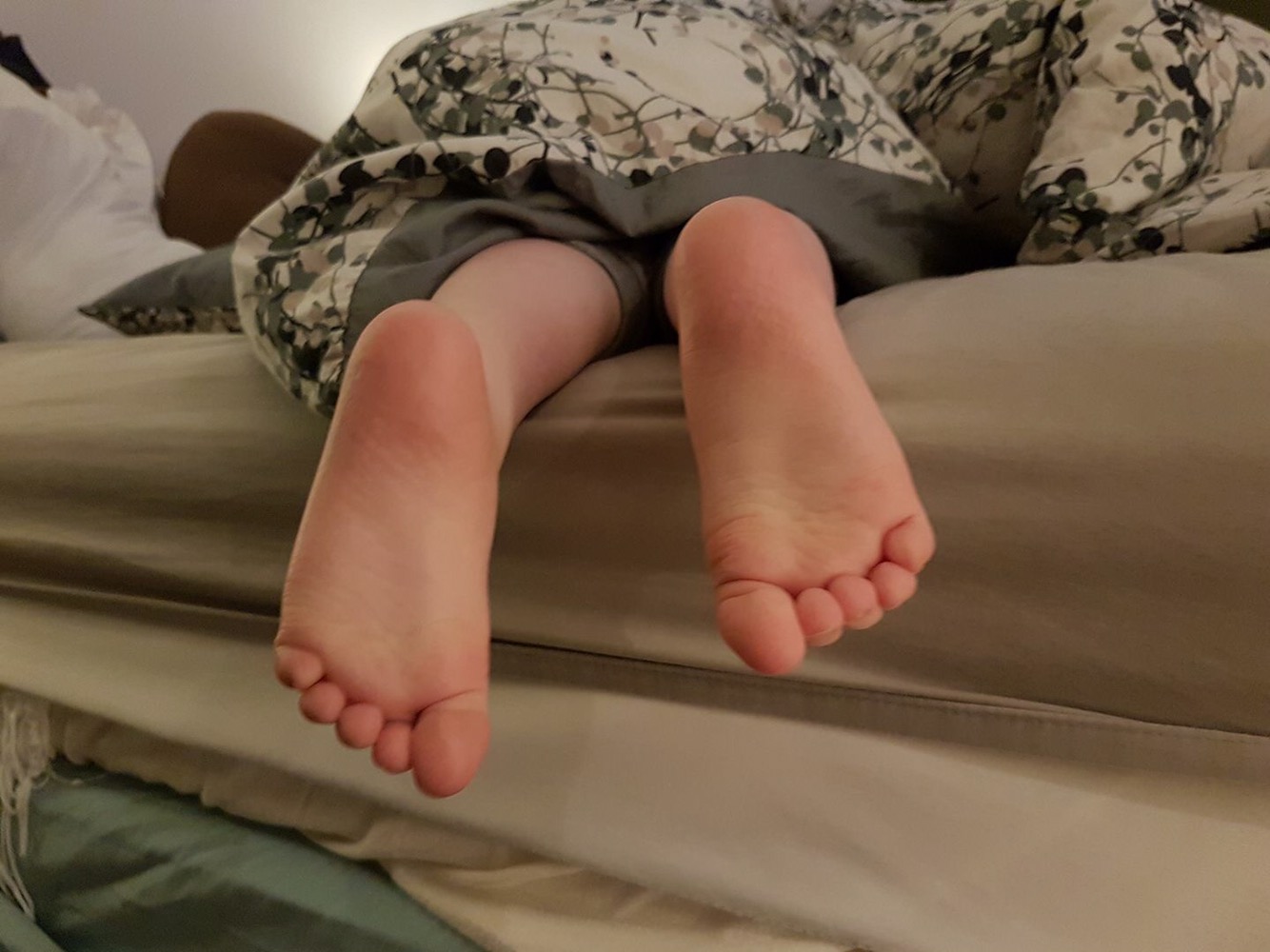
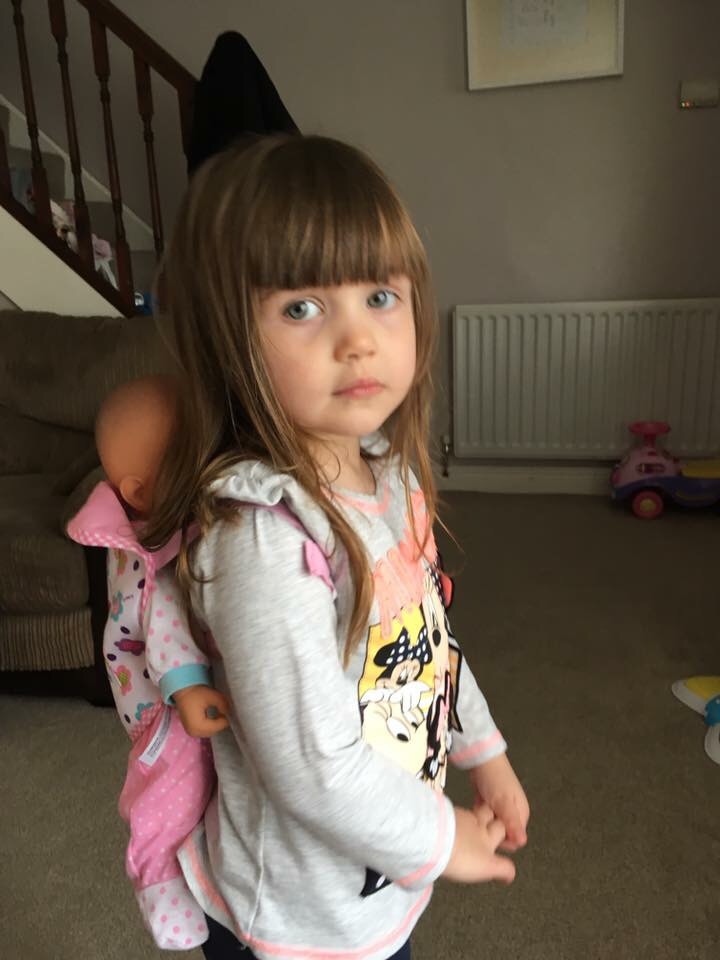
Quickly photos were added to the thread. They weren’t all pictures of babies being carried. Some showed babies carrying their dolls and even a pair of feet. What they all shared was their ability to make me smile. They gave me something positive to look at while I await blood test results.


The sling library has brought so many people together. It is more than just slings. It’s a community who can be called upon to help. The kindness of the individuals who shared their photos sums up what the library is about. It isn’t just about carrying but friends, friendship and being there through thick and thin.


Thank you everyone for being so amazing and so supportive. I will be back to fighting form soon but until then I know there is a whole group of like-minded parents who I can turn to for support.

5 Reasons to have a private consultation

As a sling librarian and carrying consultant I see families in group situations, as well as privately in 1:1 appointments. The arrival of 2017 marks my fifth year as a practising and active carrying consultant. I am extremely lucky to have worked with many families since I first trained in 2012. In total, I have trained with 3 schools and continue to attend a variety of CPD events. This blog considers the reasons to consider booking a 1:1 appointment.

Here are my Top 5 reasons why I believe you should pay to have a private consultation with a trained babywearing consultant.

1) Time

25788202-faad-4bc9-9703-0354672dea99-1028-000001126b76296b_tmpSomething we all wish we had more of is time. During a sling library session, I can see anywhere upwards of 10 families in just over an hour, with typically 15-20 families, each with their own individual needs to meet. A private consultation appointment is a minimum 60 minutes long (with a standard consult lasting for 90 minutes), so we can take a more relaxed approach, tackling your family’s requirements personally, keeping you and your baby at the heart of the appointment. During this we can explore options together, you can have a drink, your baby can be fed or changed or we can even go for a walk together to check the carrier is right for you and your baby. Extra time is especially important if either you or baby have additional needs which need to be considered.

2) Choice

Typically, I can only spend 10 minutes per family in a library setting. This means I can usually only demo and fit one carrier and limits how many times you can try to put a carrier on. We cover the basics of what the carrier does and how to wear it safely but there is not time to discuss every individual element of the carrier or the different ways it can be worn. During a consultation, we can look at different styles and types before trying those which best fit your needs. As consultations are normally held in my office I have access to all carriers we have rather than just those I can fit in the boot of my car. For home visit appointments, the pre-consult questionnaire allows me to make professional judgements to bring what is suitable. I am often asked how I know which carrier to choose for a family but after fitting carriers for almost 6 years you start to instinctively know what will work.

3) Sling hire is includedimg_0004

Sling hire alone is £5 for 2 weeks. As part of a babywearing consultation you will always get a minimum of two weeks hire but due to the fact I link return of slings to library drop in sessions families often benefit for 1,2 even 3 weeks’ free sling hire. I want the sling to work for you and your baby, by able to take it home for an extended period of time you are able to see if it is right for you, without having the feel like you are being rushed to make a choice.

4) It is just you

Consultations are private appointments. It’s just you and me. You are always welcome to bring your partner or a relative along too (there are toys for baby and older children as well). If you have a sling and just want to learn how to use it or use if more effectively then bring it along. We will work together to make it work for you. If you have previously bought a carrier for an older child, but now need a newborn insert to use it with a small baby; if it is one we stock, you can take it home as part of your hire package. Each appointment is tailored to what you want and need: one size does not fit all. A babywearing consultation allows us to think outside the box to find solution for you.

sarah-beech-photography-1

With thanks to Steph Oliver-Beech Photography and Sheffield Sling Surgery and Library for use of photo

5) Support doesn’t stop

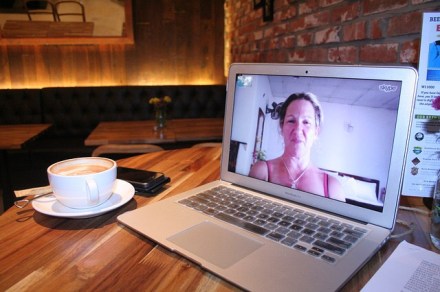
At the end of the appointment, you receive my contact details in the event you need to ask any more questions. Ongoing support is available via phone, email, FaceTime or Skype for as long as you have your carrier on loan. Our booking system allows me to make a record of all the slings tried during the appointment, allowing me to quickly find you an alternative sling if you want to swap or try another for longer. You are also welcome to swap your carrier at any point during the hire period; simply just pop into one of our drop-in sessions. Follow up consultations can also be booked at reduced rates if you would continue to prefer 1:1 support.

21fbb894-9a2f-4196-a482-2b931858adb8-1028-000001137a488327_tmp

You can book a private appointment via our booking site. A standard consultation is £30 for 90 minutes and it’s just £20 for a sling clinic appointment to troubleshoot your own sling.

I know a carrying consultation will not be something everyone thinks they need or can afford. For families in receipt of means tested benefits or in the event of PND, disability, premature birth (or life limiting conditions for baby etc.) please talk to me. I will always do what I can to help, from reduced fees to free hire. But, if you don’t tell me, I don’t know and cannot help.

Safe sling use and the pressure to feed in a sling

super-951190_1920

The arrival of a new baby is a joyous occasion and the desire to want to keep them safe is one that is at the forefront of a mothers mind. As mothers we do all we can from the minute we discover we are expecting (and before in some cases) to protect them. Keeping baby close to you can be one of the easiest way of helping mums know that baby is safe and this is why many parents will choose to use a sling with their baby.  Babies want and need to be held; they are biologically programmed to want to be close to their care giver.

Sadly though, there are risks when carrying a baby and it is crucial that we follow some simple safety guidelines. Special consideration should be a taken when carrying babies who were born prematurely, with a low birth weight or who have underlying medical conditions; however, it is also important to remember that carrying can be extremely beneficial to both baby and mother in these situations. Kangaroo Mother Care has been proven to have health benefits and to save lives and reduced length of hospital stay, and using a carrier can help attachment and bonding (especially important if mothers are suffering from PND). We must therefore acknowledge the risks of using a sling are outweighed by the benefits.

Changes in the carrying industry following the Infantino Slingrider recall in 2010 have looked to address many of the issues of carrying young babies and the increase in easily accessible trained babywearing support has become a much larger element of the carrying community. There has been an increase in regulation (primarily in USA) and  professionalism within the industry, with sling libraries and babywearing consultants now available across the country. As carrying has moved from a small niche audience to mainstream parenting, it is no longer unusual to see carriers on sale on the high street or to see parents using slings with their babies, toddlers and even preschoolers. Carrying our young is biologically normal. It allows us to meet the needs of baby while carrying on with our lives; whether this is looking after other children or simply getting out of the house.

47432285 - a mother breast feeding his baby at home
Copyright: lopolo / 123RF Stock Photo

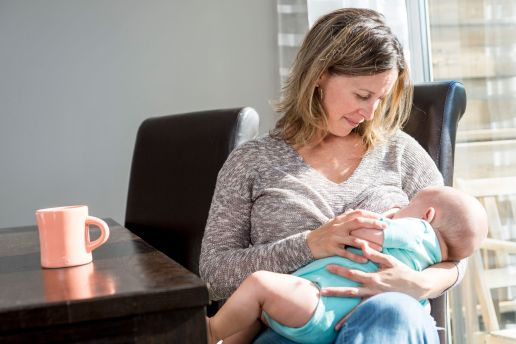
It is this societal expectation to ‘get back to normal’ that leads many parents to want to do several things at once. One of the most frequently asked questions I am asked or read is: “Can I feed in it?” For many mothers, breastfeeding can be something they fear doing in public and want something to help them cover up, or to let them ‘feed on the go’. As a mother I understand this completely. As a breastfeeding peer supporter I understand the fears women have. As a society, we traditionally hold babies in arms in a cradle position (the need to support their head is drilled into us from when we are children) and this position is often associated with breastfeeding or seen as the main feeding position. Unfortunately, this position in a sling is dangerous if not done correctly. In arms a baby is supported and his parents are fully aware of what baby is doing. However, in a carrier their disproportionately large heads and weak neck muscles, combined with the weight of gravity and the bounce of fabric (as well as a feeling you are hands free) can cause babies chins to rest upon their chest. This has the potential to block their airway and sadly lead to positional asphyxia (similar effects can be caused by infant car seats).

8094358 - walk with the child in a baby sling. breastfeeding

Copyright: lenor / 123RF Stock Photo

As a carrying consultant, I often tell mums that “if you need my help to feed in a sling, you aren’t good enough at one or the other”. I don’t mean this in a way to criticise the mother (although I know many might see it like that). Breastfeeding and using a sling are skills that need to be learned and trying to mix them can lead to frustration and a feeling of failure. As babies get older and feeding is better established combining the two is a natural link to make, but in the early days when baby and you are learning what to do, please do not feel you have to try, it is ok to sit and rest, to watch the feed carefully, to learn the signs of when your baby is full.

Copyright: North East Sling Library

13032095 - mother with baby in a slingIt is the risk of positional asphyxia when using a cradle carry position (typically in a ring sling or stretchy wrap carrier) that has led to it being removed from many manufacturer’s instructions, why I have only taught it twice (both in situations where upright and off-centred positions were not possible due to other medical complications and neither wanted to feed in the sling) and why a post on social media asking how to do it can lead to many having a meltdown at their keyboards. Unfortunately, there are slings that still have it in their instructions or which advertise breastfeeding position as a selling feature (often cheaper brands sold on ebay/amazon) and there are thousands of videos on YouTube– a quick search of the site brought up 2100 hits (over 3000 if you use the search term breastfeeding in a stretchy sling) – of various levels of detail clarity.

Copyright: lenor / 123RF Stock Photo

Therefore, when carrying a baby in a carrier it is important to take time to learn how to use your sling; to read the instructions (I know as parents life is busy but it is worth it), to practice tying it and to seek help/support if necessary.  When looking at buying a sling (a term I use for all carriers except framed back carriers but which is often most used for stretchy wrap carriers) ask yourself some simple questions:

  • Is it from a respected company?
  • Do they have up to date instructions and safety guidelines on their website?
  • Can you get in touch with them for support?
  • Has it been safety tested and is it made with child safe dyes?
  • Is the price too good to be true?

When using your carrier it is important to follow the TICKS guidelines. These were developed in March 2010 and have become the gold standard for safe baby carrying in the UK (North America often use the Visible and Kissable rule). TICKS seeks to provide 5 simple and easy to remember steps to keep baby safe by maintaining a clear airway: Tight, in view, close enough to kiss, keep chin off chest and supported back. One of the simplest ways of achieving these five steps are to keep baby in an upright position and babies can be carried upright from birth; a well-fitting sling will provide a newborn with the support they need for their head (being held upright also has the benefit of  helping babies with wind). But, being upright, can make it harder to breastfeed in a sling to begin with, although as baby gets older it gets easier – this biological upright feeding position can be easier for baby too.  Keeping baby visible allows us to easily monitor them, to make changes if necessary. Tying the carrier tight and ensuring it fully supports babies back not only helps them to feel secure (by creating a point of stability), it prevents them from being able to slump in the carrier.

IMG_1836

Carrying your baby in a sling is a wonderful feeling and can be extremely empowering to the mother (and other caregivers). Done safely, it can be the key in unlocking amazing adventures together or simply getting out of the house. Enjoy the freedom, the cuddles and take one step at a time. Do not think, that by putting baby in the sling they are fine by themselves, babies needs change with seconds. It should be an enjoyable shared experience but one where the wearer is fully aware of babies needs at all times. If in doubt, stop and ask for our help: that is why I and consultants across the country are here.


Where to find out more

http://www.cochrane.org/CD002771/NEONATAL_kangaroo-mother-care-reduce-morbidity-and-mortality-low-birthweight-infants

http://apps.who.int/iris/bitstream/10665/42587/1/9241590351.pdf

https://sheffieldslingsurgery.wordpress.com/2014/04/04/sling-safety-with-young-babies/

https://www.nct.org.uk/parenting/sling-safety

http://babyslingsafety.co.uk/

http://www.which.co.uk/reviews/baby-carriers-and-baby-slings/article/baby-carrier-and-baby-sling-safety/baby-carrier-and-baby-sling-safety-tips