Using a sling after a Caesarean section – can you do it?

One of the most common questions I am asked or see posted on babywearing forums and Facebook groups is: “Can I use a sling I have had a caesarean?” and the answer is quite simple. It is probably yes. Despite what woman may have planned or hoped for 1 in 4 babies born in England are delivered via Caesarean Section (CS). The 2013-14 NHS Maternity Statistics for England show that of 646,904 deliveries, 166,081 of these (or 26.2%) were caesarean section, with 13% conducted via emergency section. Therefore there are many mums who potentially want to use a sling to carry their baby who are no scared that they can’t now do so.

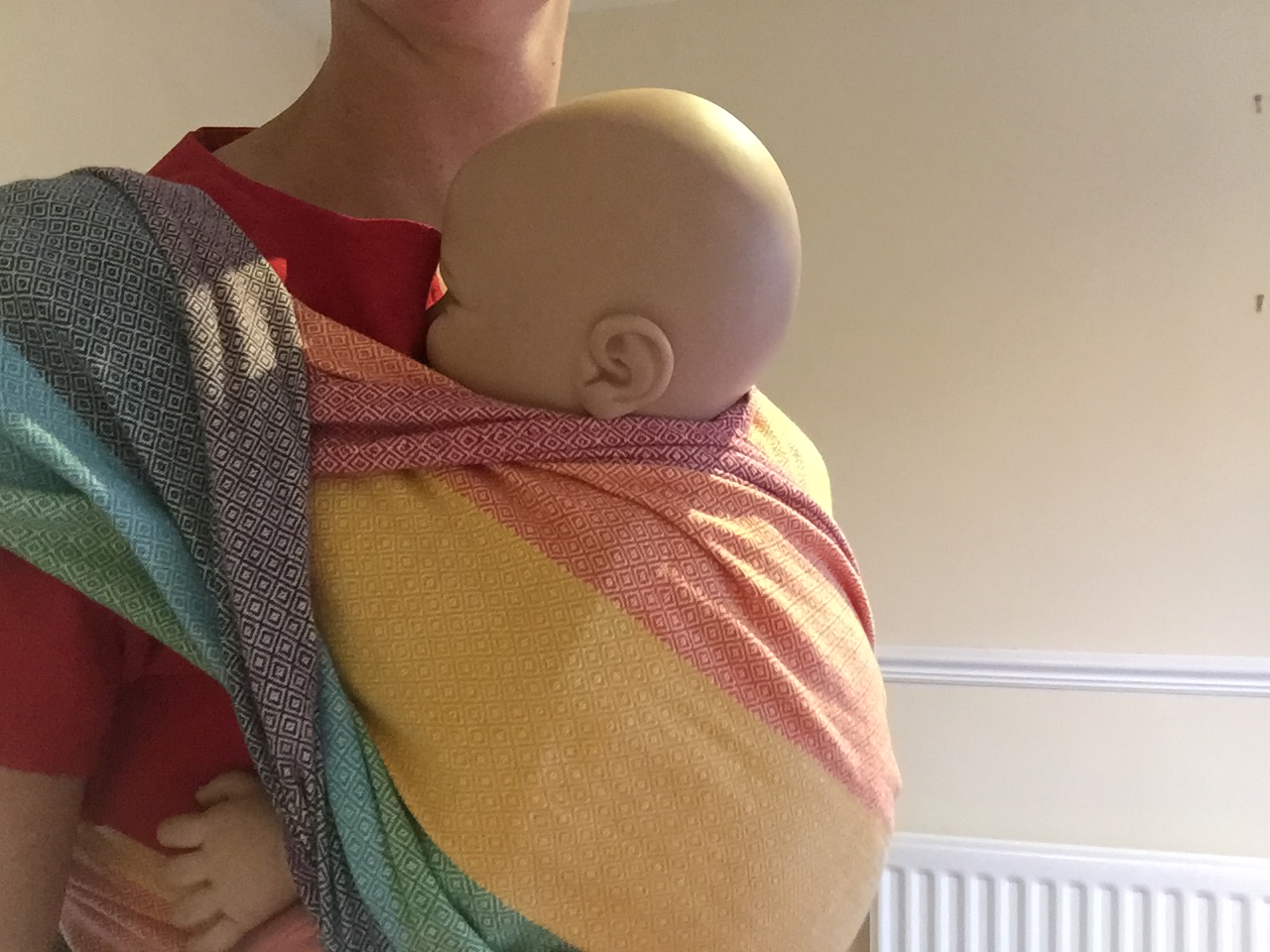
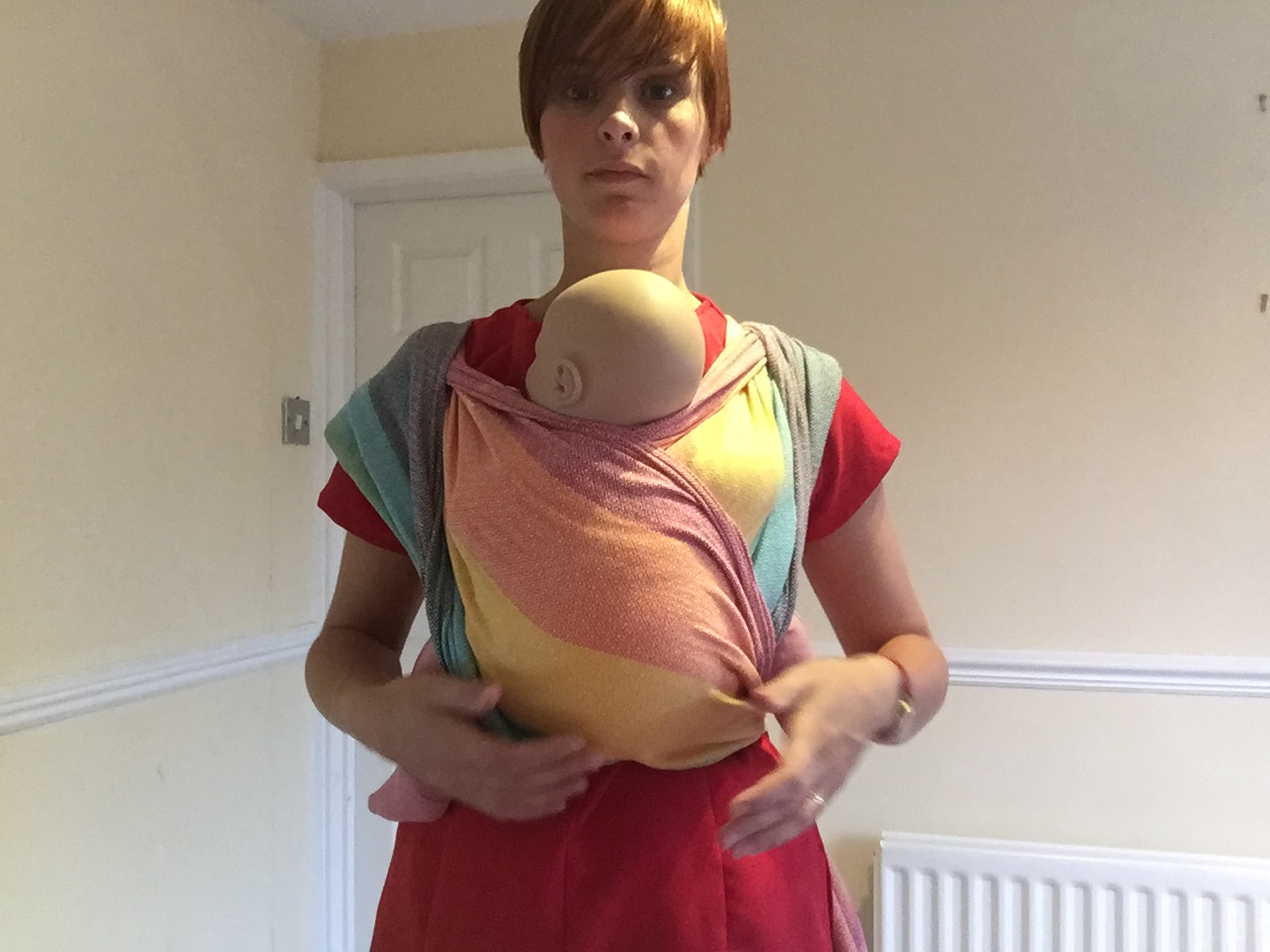
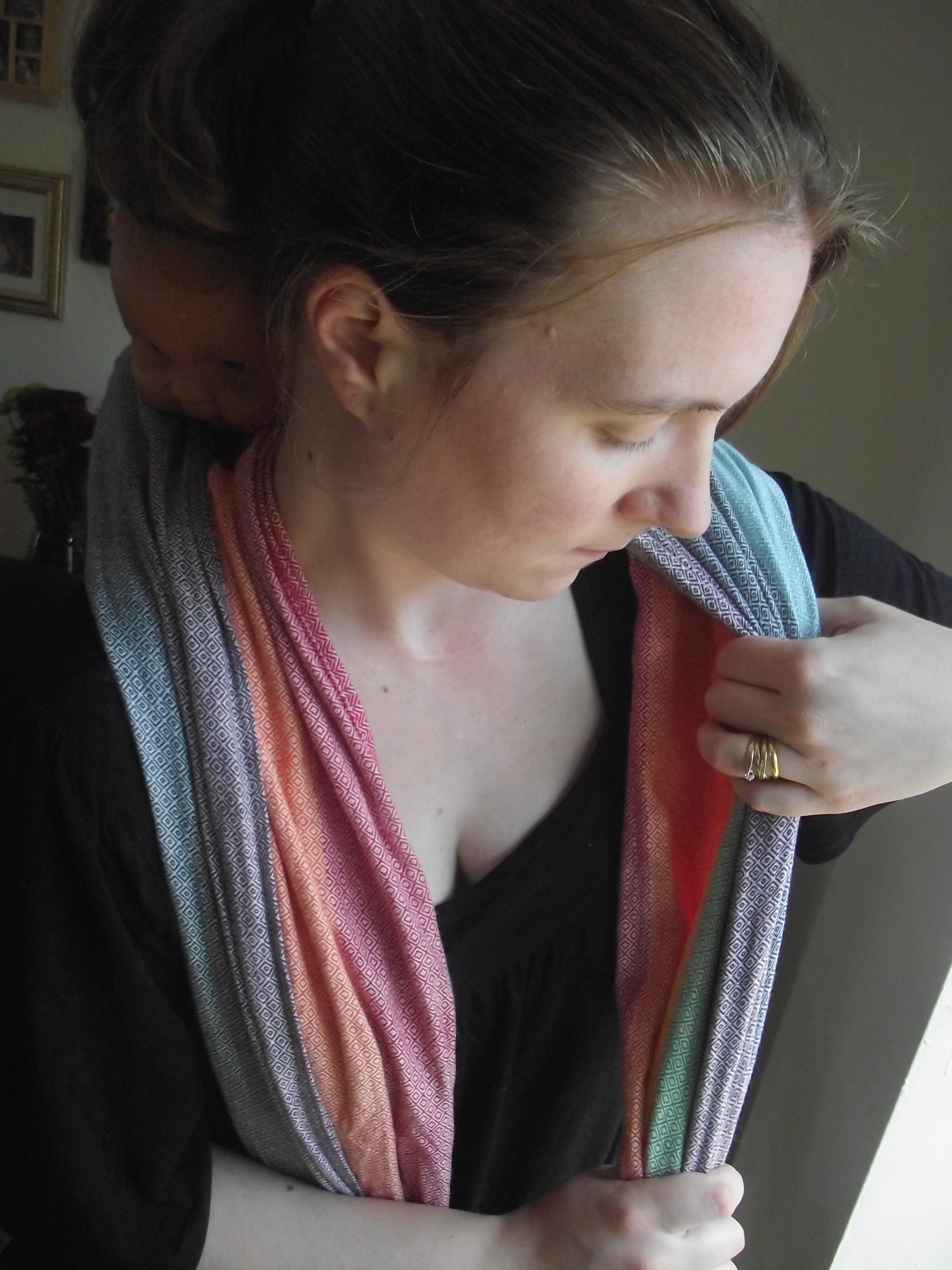
2 weeks post EMCS
 

Firstly, I am not a medical practitioner, I am a babywearing consultant and sling librarian who has worked with many mums who have had caesareans and helped them to find ways to carry their babies comfortably and most importantly safely. If you are in any doubt you must always consult your Midwife or GP. What I will consider are the ways in which we can look at carrying after a caesarean.

The recovery rate after a  CS is generally longer (NHS Choices) and the fact it is major surgery can make mums apprehensive about using a carrier. The key with carrying after a caesarean is to carry “high and tight” to avoid the scar. Incidentally, the high and tight rule applies to mums who have had a vaginal delivery too. Simply having a vaginal delivery does not mean you are ok to carry.  For example it is thought that 5 in 10 women who have had children have some degree of prolapse but that only 1 or 2 women in every 10 seek medical advice due to the sensitive nature of the condition (www.patient.info).  Other post-partum complications such as haemorrhage and tearing can leave women who have had a vaginal delivery feeling weak. Therefore there is no blanket rule to state having a vaginal delivery means you can use a sling or having a caesarean means you cannot. The amount of time post partum where a woman feels comfortable and capable of carrying will vary from mother to mother, there is no ‘set’ time. Listen to your own body.

Using a sling allows new mothers to get out. A social support network is important.
 

Women who have had a caesarean delivery will typically spend 3-4 days in hospital although this can be as little as 24 hours. Women who have had a caesarean section should resume activities such as driving a vehicle, carrying heavy items, formal exercise and sexual intercourse once they have fully recovered (including pain). This means that many women will not be ready to strenuous activity until after 6-8 weeks. This does not mean that women should be confined to the house and using a sling or carrier allows them to undertake gentle exercise such as walking. Gentle exercise should be encourage to avoid clots (NHS Choices) forming. This will also help woman to start building up muscles again. Using the sling can stop mothers from bending unnecessarily. Keeping baby close can stop you from having to keep picking them up from their Moses basket or crib.


Time and care should be used when placing baby in the sling to ensure the mother engages her pelvic floor and core muscles. 30% of postnatal women will have some form of stress incontinence after birth. The ability for mothers who have had a caesarean to use is a sling is particularly important as they are unable to carry anything heavier than their baby. This therefore means they should not lift car seats or or even push heavy travel systems and prams. The NICE guidelines recommend early skin to skin contact for mothers who have caesarean deliveries (2004). Skin to skin contact has also been shown to help emotional attachment between mother and child, as well as being beneficial in promoting breast milk production both which can be hindered by caesarean deliveries, typically as because their can be a delay in offering breast. Using a sling allows them to get out and start to socialise and help with mental wellbeing and help reduce risk of post natal depression. This ability to socialise is encouraged by NICE and postnatal care should encourage mothers to have a social network of support. (NICE Pathways)

Using a sling or carrier can play a crucial role in allowing a mother to regain her strength and posture after the birth. The key is to listen to your body and to build up the amount of carrying you do. Your body will develop muscle strength and get used to carrying your baby. Do not assume you will be able to carry for hours straight away. Your postnatal body will need time to adjust and remember you will still have increased levels of Relaxin in your system, especially if you are breastfeeding. Even if you do not feel capable of using the sling it could be used to help the emotional bond between baby and other caregivers

There is no right or wrong sling to use after a caesarean section. In all cases care should be used and it is beneficial to select those which do not sit lower on the mothers’ abdominal muscles and can place pressure on their stomach and scar. Typically these are those with structured waistbands although ideally these should be worn on the wearers waist above hips and far away from scar. I have fitted all manner of slings to mothers after a caesareans. These have included ring slings, wraps (woven or stretchy) and even buckle carriers. We are simply wanting to keep the sling away from the scar tissue and stitches.

If you want to carry and are unsure of the most comfortable way to do so it is worth having a consultation with a babywearing consultant as they will have the time , knowledge and experience to help you find carries which are comfortable. Remember there is no date by which you must have started carrying. You should only begin using a sling when you feel comfortable, do not rush your body. If you want your baby to get used to being carried in a sling ask your partner, grandparent or even a friend to carry them for you.


References and links

http://www.nhs.uk/conditions/caesarean-section/pages/recovery.aspx

Click to access pi-pelvic-organ-prolapse.pdf

http://pathways.nice.org.uk/pathways/postnatal-care#content=view-node%3Anodes-first-week&path=view%3A/pathways/postnatal-care/care-of-women-and-their-babies.xml

http://pathways.nice.org.uk/pathways/caesarean-section#content=view-node%3Anodes-care-after-caesarean-section

http://www.nice.org.uk/guidance/CG132/chapter/1-Guidance#care-of-the-baby-born-by-cs
 

Photo Tutorial – Short Cross Carry with a sling ring

The Short Cross Carry with a sling ring (sometimes referred to as a Front Cross Carry with a ring) was my go to carry with a shorter wrap with Isaac from around 3-8 months. I liked that it was a “poppable” carry and can be achieved with a shorter wrap. The sling ring acts as a lock so carry is a knotless one too. I wanted to write this blog as a photo tutorial. There are hundreds of wrapping videos but I know that videos do not work for everyone.

Stage One – Preparing the wrap

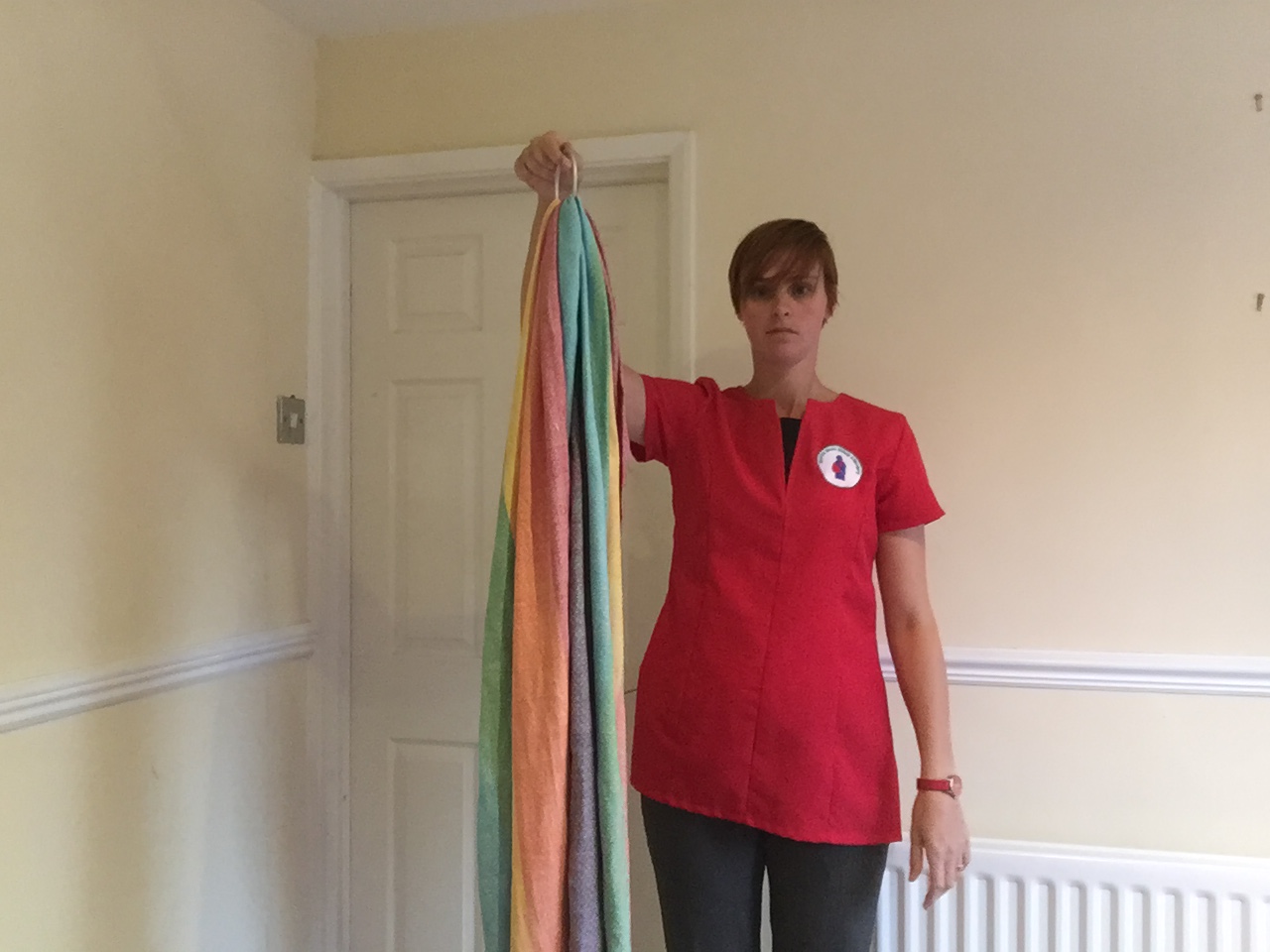
Thread the sling ring over one end of the wrap until it is in the middle of the wrap. When the sling ring is in the middle take time to pleat the fabric through the rings to neaten the fabric. This will help prevent the wrap from twisting and help ensure a neat looking carry.

IMG_4751IMG_4758

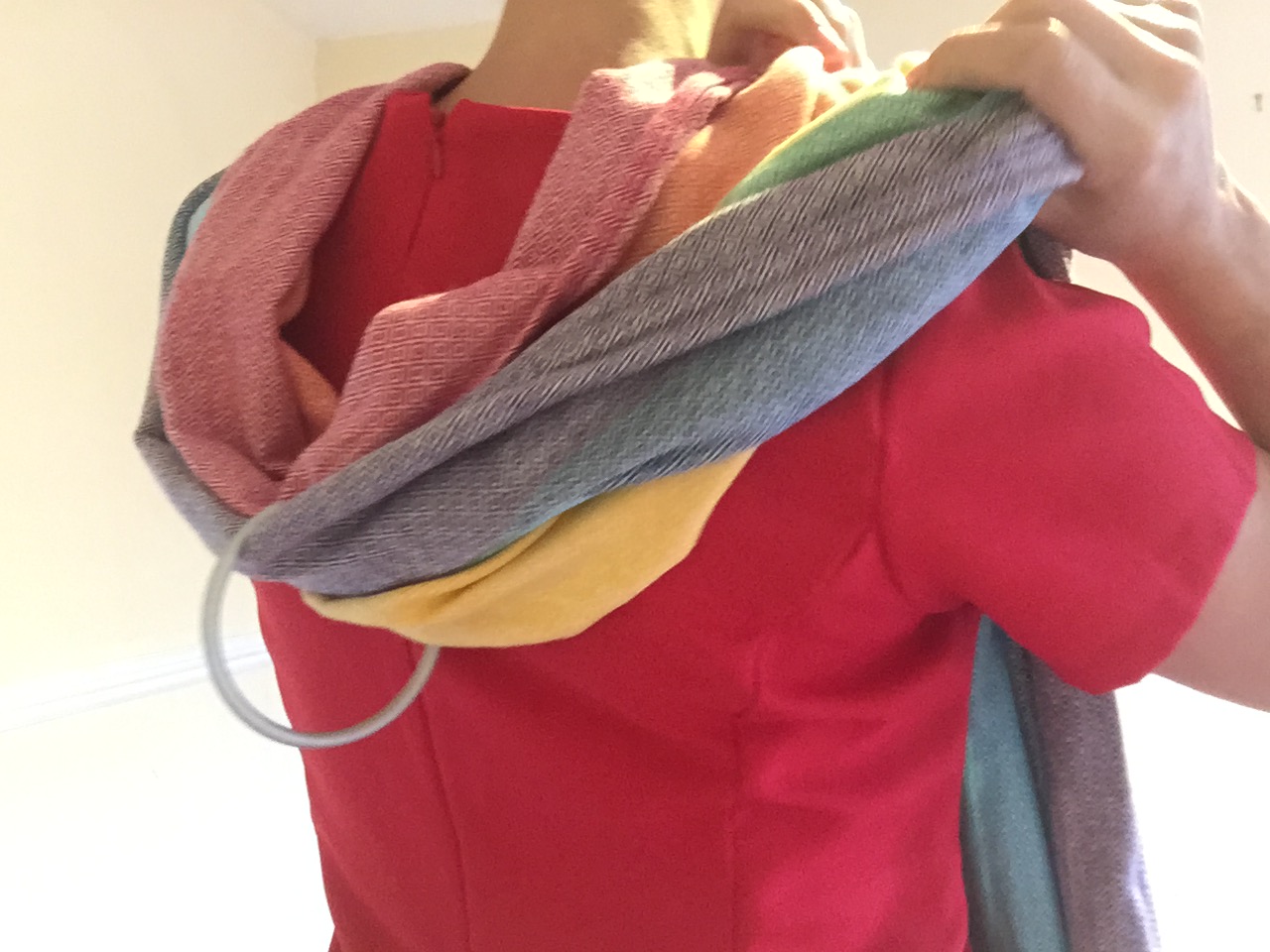
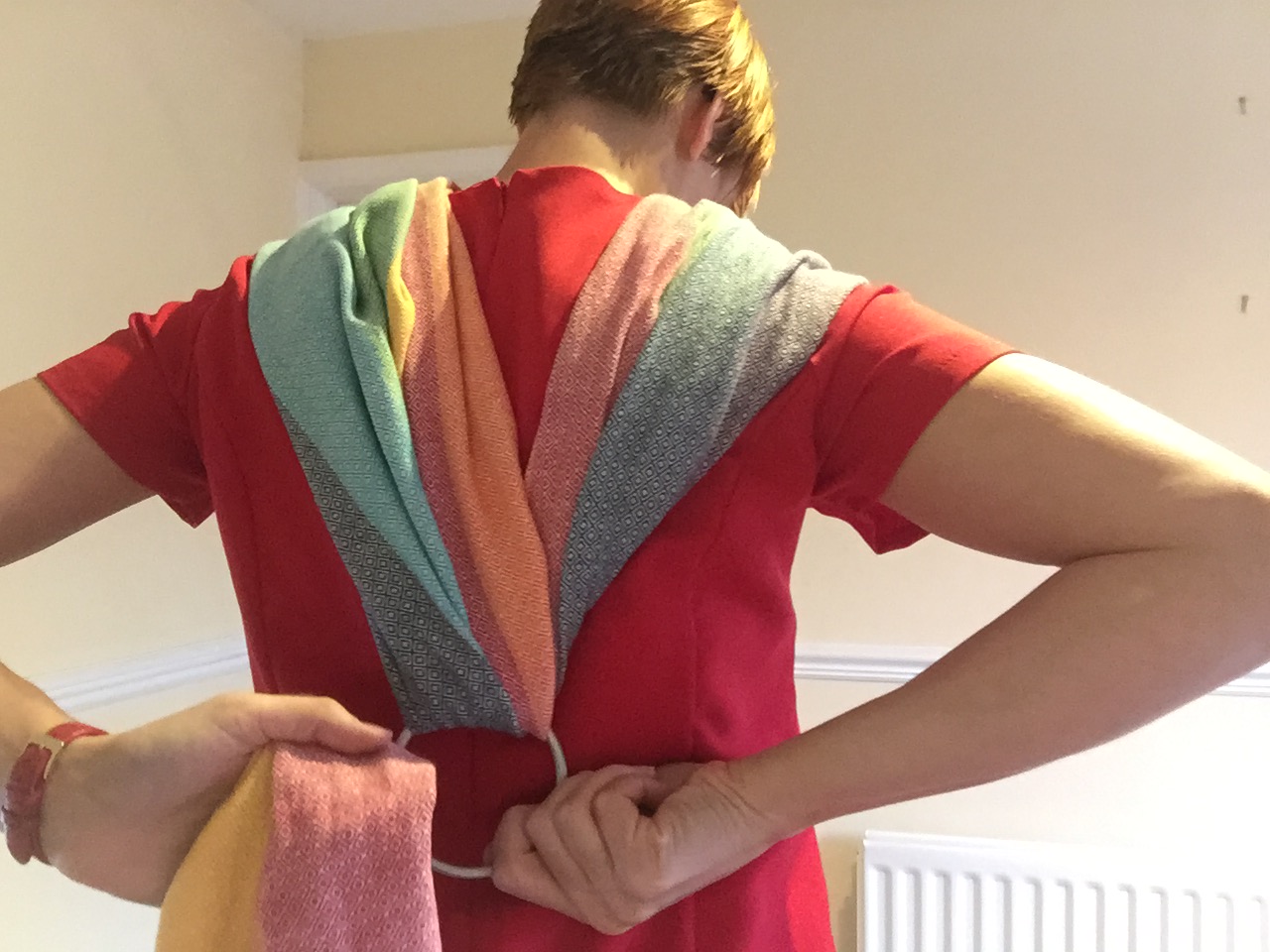
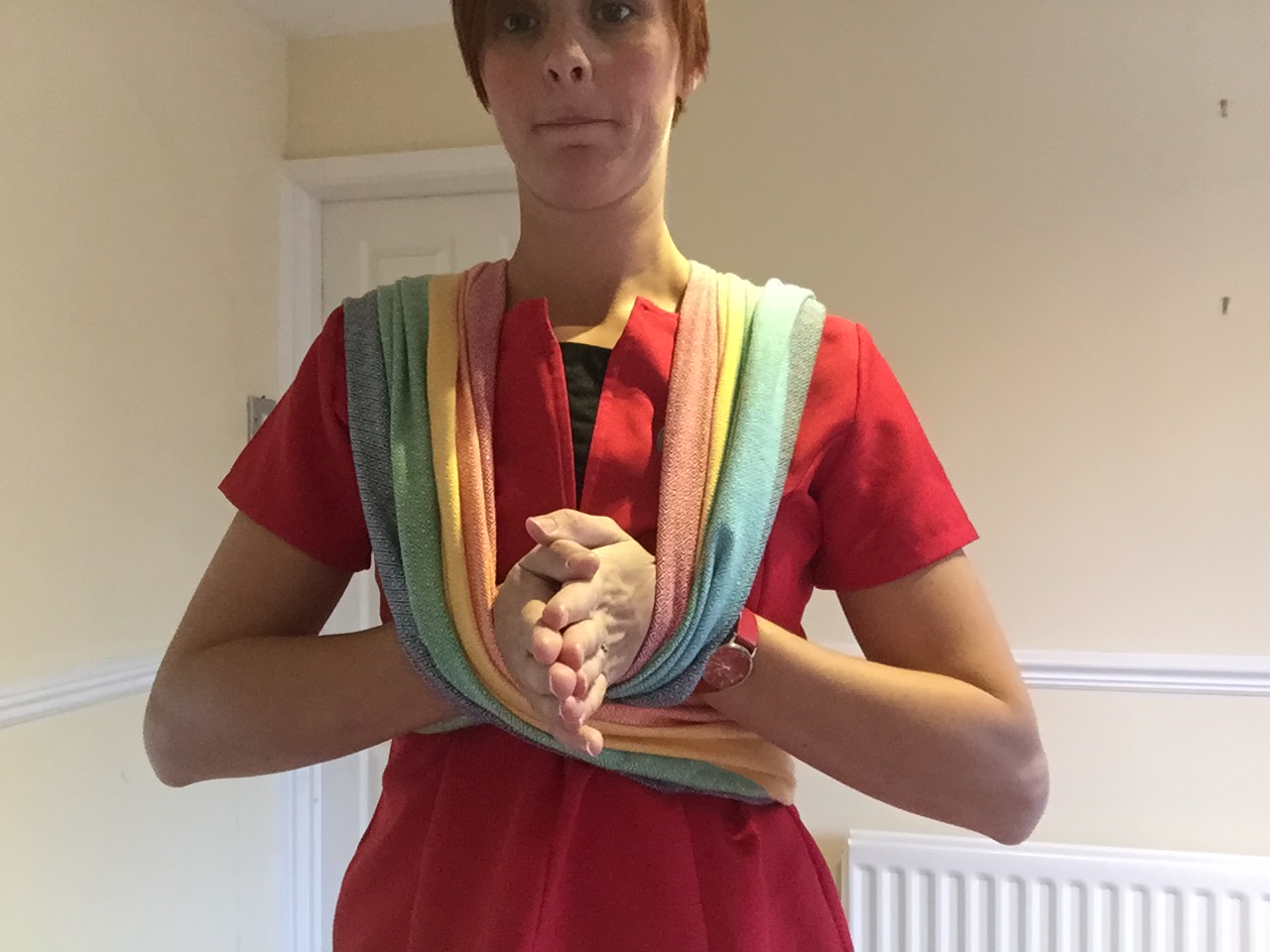
Next, loop the fabric over your shoulders so that the ring is placed in the centre of your back. Again, tidy the wrap by gathering and then cross tails.

IMG_4776 IMG_4785

IMG_4795

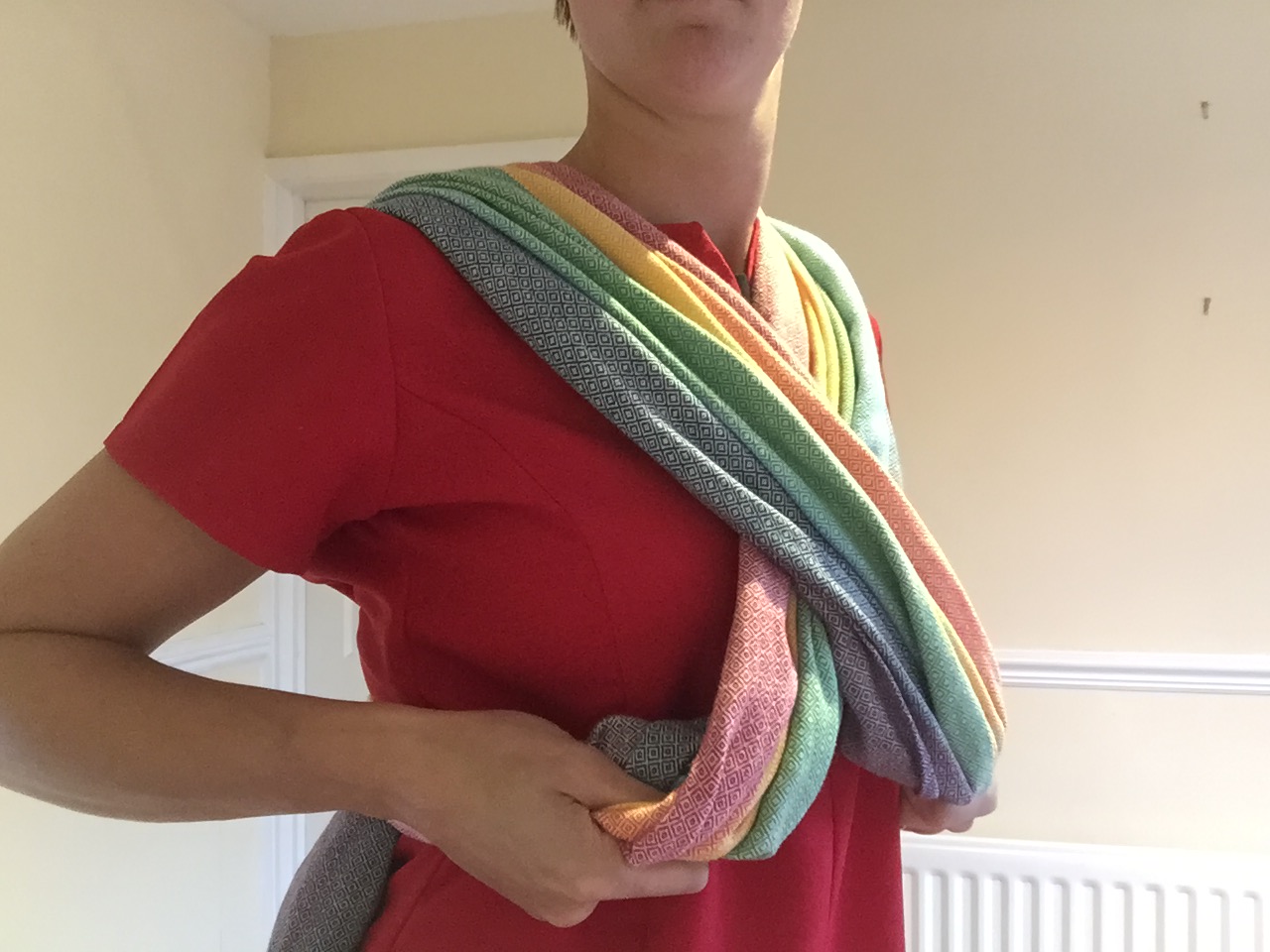
Holding the sling ring to keep it flat use the other hand to take first wrap pass and take it over the top of sling ring before going through and pull down towards the floor so that you have a 90o angle. Before repeating this with the second pass. This takes some practise to get the ring to stay flat. If you don’t achieve it the carry will not be knotless as wrap will move freely in ring.

IMG_4802IMG_5013

Once again tidy both passes so they are smooth and not twisted. Tighten your bottom rail. The bottom rail is the part of the sling which is in the middle as it comes out of rings.

IMG_4835 IMG_4859

Find the positon where you are most comfortable in having the sling ring by lifting the fabric from shoulders and moving it up and down.

Create slack and space for baby by pulling fabric back through ring. Be careful not to introduce too much slack. You want just enough space to put baby in. Thread excess slack back over shoulders and through ring. Use praying hands to double check you have enough space for your baby.

IMG_4859IMG_4869

Stage Two – Putting baby in the wrap

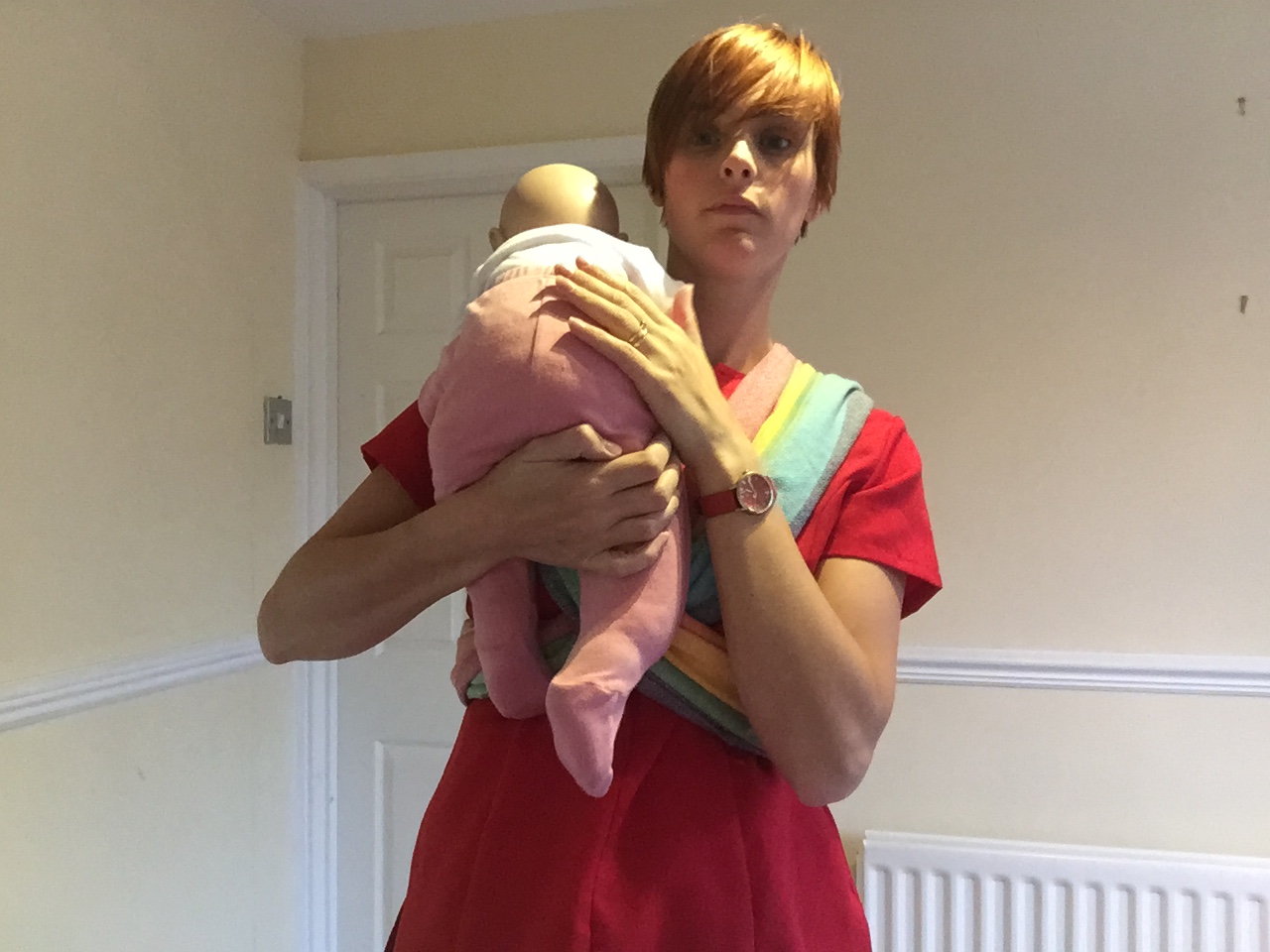
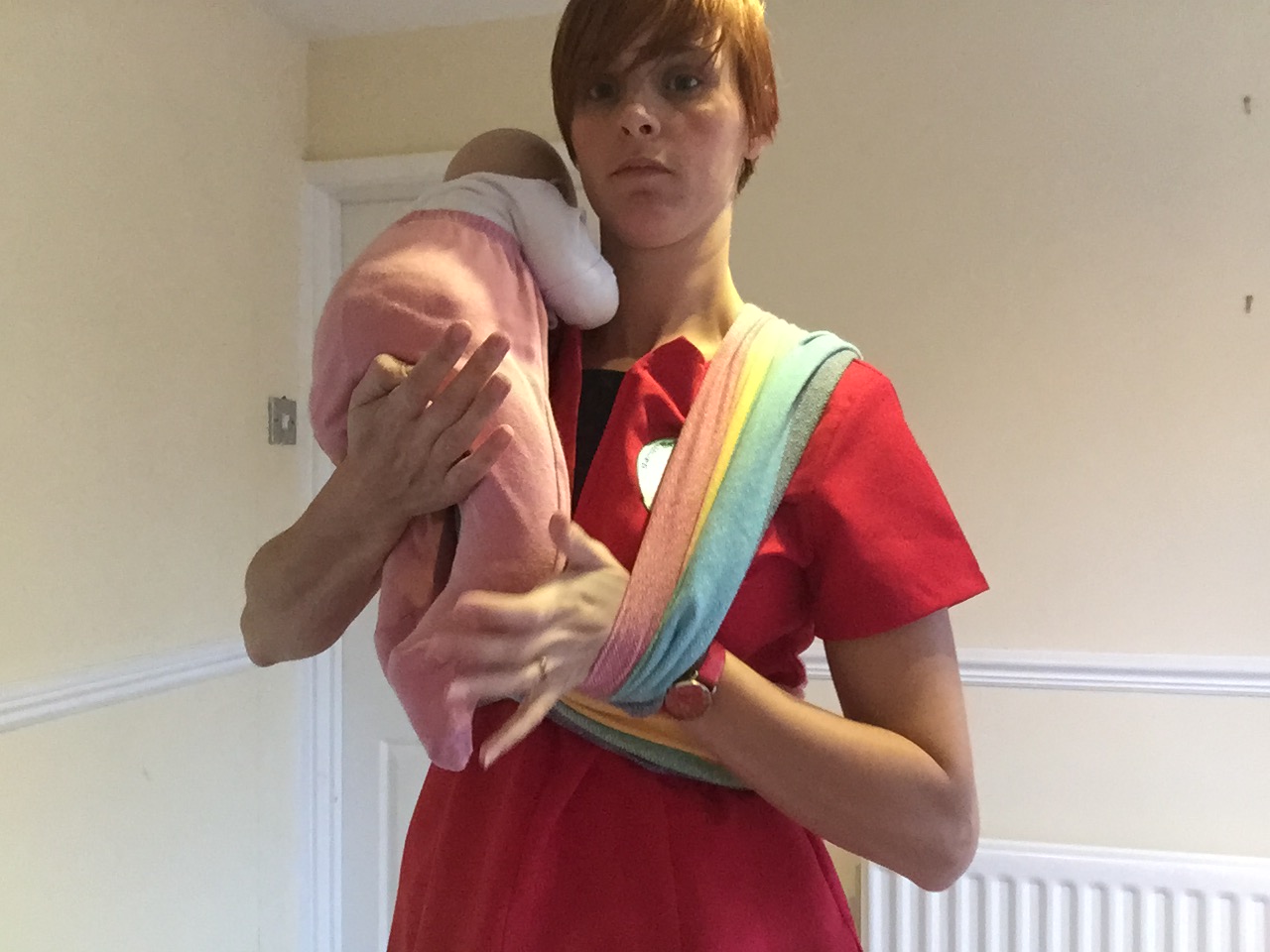
Pick up your baby and place on the shoulder of the top pass so that first underneath pass is visible and accessible.

IMG_4889 IMG_4895

From the bottom of underneath pass, reach up and find babies foot and bring this through the pass. Ensure the fabric is in their knee pit.

IMG_4903

Lean forward slightly and move baby to other shoulder and swap supporting hands. Then bring babies foot through as per last step. Let the wrap take babies weight with them sitting on the cross passes to allow their bottom to drop lower than their knees.

IMG_4912

Supporting baby underneath their bottom using the hand of the top pass, use free hand to spread the bottom pass until your supporting hand is covered. Place free hand on babies bottom and then slide covered hand out from under the fabric and complete pulling across babies back.

IMG_4924IMG_4940

Remove excess slack by supporting babies weight and working strand by strand across width of wrap. When slack has been gathered up feed this towards ring by leaning forwards (while supporting baby) to pull slack through the ring. As this is a carry with a cross pass the slack goes under the opposite leg to the shoulder it came over initially. Then pull the slack through ring by pulling on the tails.

IMG_4942

Supporting baby underneath their bottom using the hand of the bottom pass, use free hand to spread the top pass until your supporting hand is covered. Place free hand on babies bottom and then slide covered hand out from under the fabric and complete pulling across babies back.

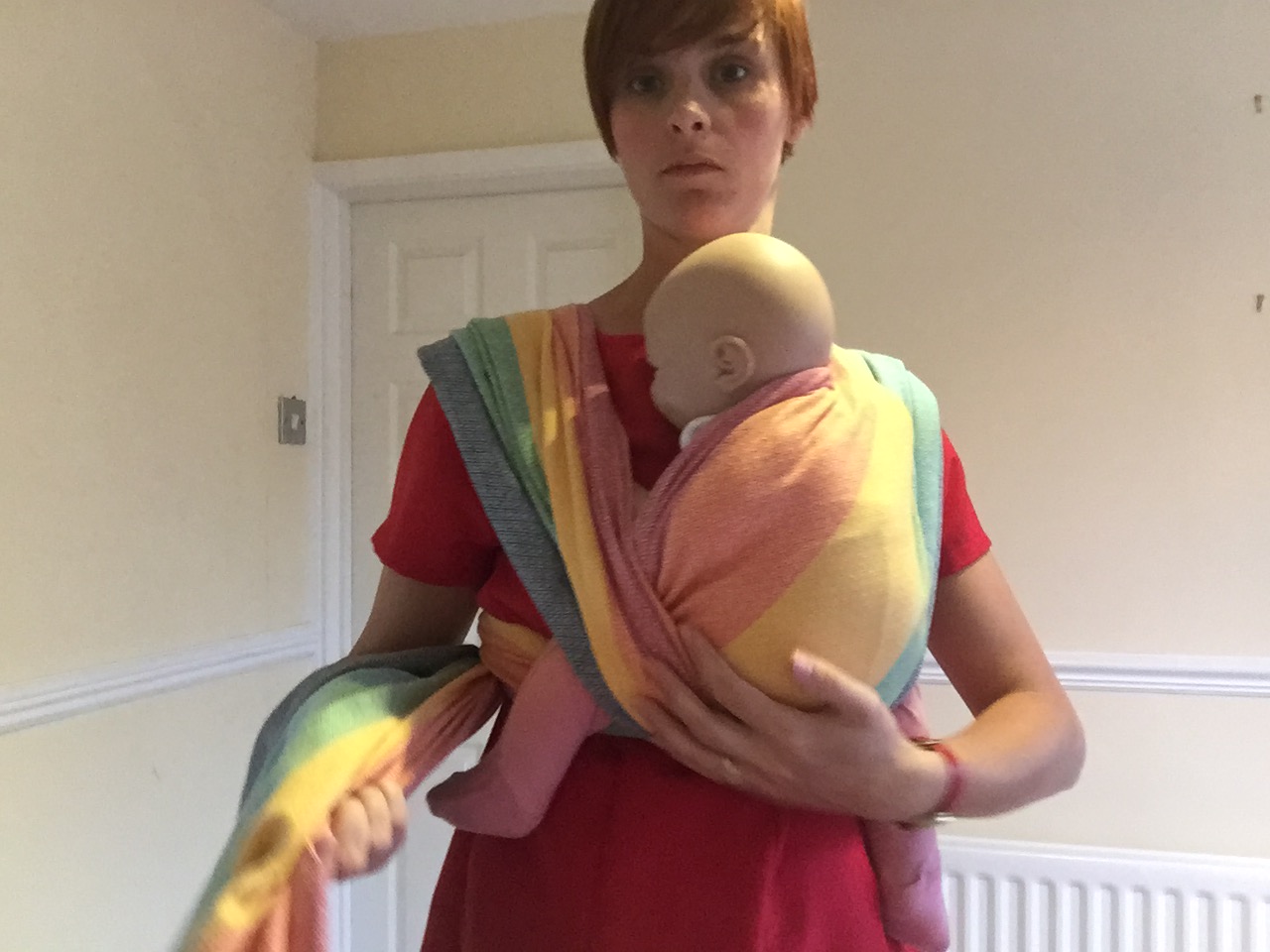
Finally tighten strand by strand and work to rings. The carry is now completed.

IMG_4955

At this point our final checks are that their airway is clear (you can flip shoulder to keep them visible), that they hands are up near their mouth, fabric is in knee pits and their pelvis is tilted. Check that fabric is smooth on their spine and that you are comfortable too.

 IMG_4962IMG_4976IMG_4987

Stage Three – Removing baby from the wrap

Remove shoulder flip if you have included one, then un peel the top pass and then the bottom pass so that baby is sat on (and still supported by) the cross pass. Supporting babies back when the wrap is not covering them gently lift them out of wrap.

Do I need to be a great wrapper?

Something I have been pondering recently is should I, as a carrying consultant, be able to wrap perfectly, in every situation, with what ever wrap I am given. Should I know how to do every single variation of a front, back, hip or tandem carry there is? Should I be expert at each “finish”?

I regularly teach wrapping and I enjoy doing so. I am a wrapper at heart. I love fabric, the feel of different threads, woven seamlessly together. When I am teaching wrapping I am often teaching the same carries. These carries form the stock of any wrappers toolkit. They can be replicated easily and I  can troubleshoot them without  difficulty. These carries are the basics which I feel need to be mastered before sending my clients off into the big world of babywearing. We spend time discussing tightening methods, benefits of bunched or sandwiched shoulders and the types of passes which are the building blocks of any carry. Occasionally I have a client who wants to focus on a carry I do not do regularly or I may have never done.  Then I revise, I ask colleagues and most importantly I practise. Before a workshop or consult I practice. One of the benefits of being a Slingababy consultant, for example, is the twice yearly CPD we can attend, the opportunity to revise with others for our collective benefit.

Since I started wrapping there are now a plethora of new wrap companies and a seemingly endless list of “new carries” with weird and wonderful names. Over the last few days I have found myself revisiting a range of different back carries to revise my skills, watching lots of videos and flicking through Pinterest. My wrappee is now 3 years old, so wrapping on a personal level it is not something I do daily.  Although Isaac is wrapped infrequently these days,   until he was around 2 it was almost all we did.  Now when I am wrapping him I do panic and say to myself “what will people say”, I feel as if every time I wrap it must be perfect.

When I am teaching I use dolls. There is quite a difference between  wrapping a dead weight to a wriggly 3 year old. With the dolls I learn and teach the steps and passes for each carry, the dolls let me and my clients master the techniques.   Does it matter that sometimes I struggle to do them with Isaac when historically I have always found it easier with a live model?

I am internally wrestling these thoughts. Does not being able to do certain carries matter? I sometimes feel that we need to step back, not keep reinventing the wheel. For a new wrapper the array of different carries can be daunting, does it need to be that way? Is teaching wrapping all about being an expert wrapper? I have far more knowledge of wrapping now than when I was wrapping several times a day. What are your thoughts? I don’t think I have the answer?

Consultations packages – what is available?

What is a sling consultation?

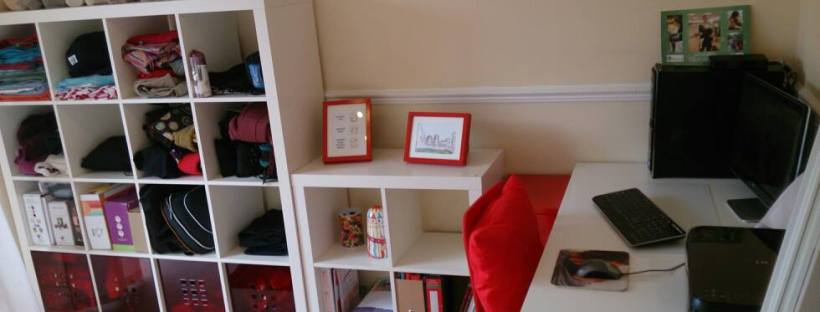
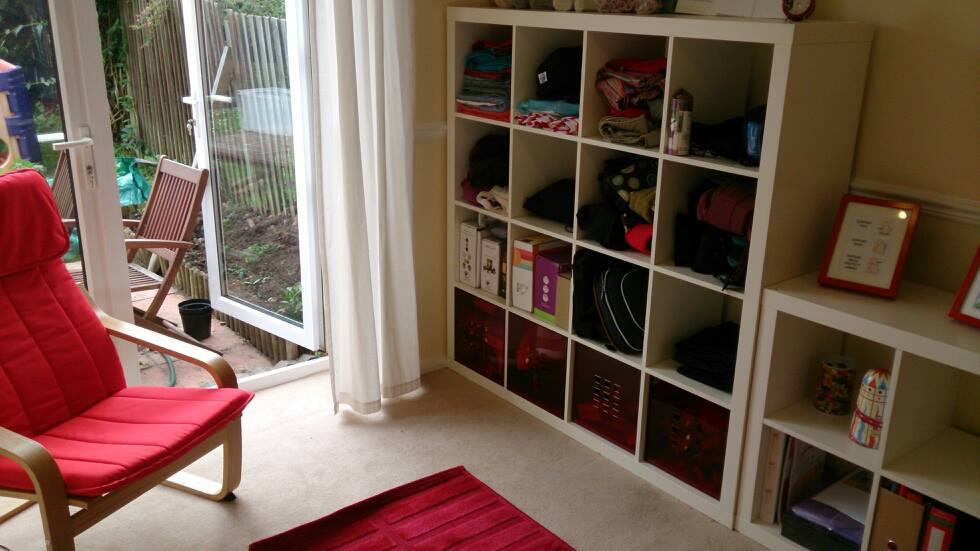
consultation space

Babywearing is an art which has been traditionally passed down from generation to generation, and friend to friend. However, in the UK the skills are less well known. In July 2011 I decided that I wanted to do something about this and so established the NE Sling Library using the knowledge I had gained since I learnt to carry my son. Very quickly I decided that I wanted to increase my professional knowledge and undertake further training. There are so many different baby carriers on the market that choosing one can be quite confusing.DSCF2830

I have trained with three different UK babywearing schools; including Trageschule, School of Babywearing and Slingababy. I am also a Born to Carry Tutor. These course have given me a detailed and indepth understanding of the different slings and carriers on the market, and the skills to be able to help you on your carrying journey. As a babywearing consultant it is my aim to help you find the best way to carry your baby. I use the knowledge I have about your baby’s anatomy and different carriers to help you find the best solution. I have a variety of different carriers to choose from. Standard (90 and 60 minute) consultations include the hire of one sling for a minimum of two weeks. I have professional, product and public liability insurance and am fully trained to offer consultations. For your peace of mind I am also a member of the British Association of Babywearing Instructors and Baby Carrier Industry Alliance.

babi-logo-transparent uksln-web1 IMG_1892

I serve the whole north east – County Durham, Sunderland, Newcastle, Northumberland, Teeside, North Tyneside, South Tyneside and beyond. I offer consultations from my designated consultation room at 13 Brecken Way, Meadowfield, Durham, DH7 8UZ. Price can include travel within DH1 AND DH7 postcodes but if I travel to you, (I can travel further afield I simply ask that my expenses are covered) this limits what I can bring. Also please check before booking that the appointment you wish to select is suitable for an at home visit in case I already have appointments booked at home.  Consultations are held on Wednesdays and Thursday’s. Other days available by request but are subject to convenience fees.  To book simply visit our online booking system.

What packages are available?

It is my aim to find the type of consultation space 1appointment suitable for you and your babies needs, and as such offer a variety of different types. Standard, follow up and paired consultations include sling hire for a minimum of 2 weeks. I have an online booking system which allows you to choose and book your own appointment at a time and date that is convenient for you.

Standard Consultation £30 for 90 minute appointment (£25.00 for 1hour). This is designed for one baby and their parents. I discuss with you your requirements, benefits of babywearing etc, before offering demos of different types of slings/carriers. You then get the chance to practise using either your baby if you wish or a weighted demo doll. At the end of the appointment you are able to select one sling from the NE Sling Library to take home for a 2 week complimentary period (usual deposit fees remain although these are refundable). If during this period you find the sling isn’t right for you it is possible to swap it for a different carrier (subject to it being in stock).

Paired and Group Consultations  – £45 for 90 minutes (2 babies). This type of consultation is designed for groups of similar aged babies. The price includes sling hire fo up to 2 babies and additional hire can be arranged for groups up to a maximum of 4 at the additional rate of £5 per sling. Context of consultation remains as close to the standard consultation as possible.

Follow up Consultation – £18 for up to an hour. This appointment is for people who have previously had a Standard Consultation but want more advice, support, practise etc. Again it includes a 2 week hire from the NE Sling Library at the end of the appointment.

Sling demo –   £15 for 45 minutes. This is package is aimed at expectant parents who want to be introduced to different slings before their baby is born. During this appointment I briefly explain the benefits of Babywearing before showing you the different styles of carriers on the market and how they work.

Sling Clinic Slots – £18 for 60 minutes. If you already own a specific sling and want to learn how to use it this is the appointment for you. Or finding something isn’t quite working for you and want to solve it. Does not include sling hire although this can be arranged at normal hire rate.

Workshop Wednesday’s – £10 per person (56p booking fee if paying by card). Workshop Wednesdays are a small group workshop held on 1st Wednesday of each month and focus on a specific sling or skill. They are advertised on our Facebook page.

Born to Carry Peer Support Courses – Although I arrange courses myself, if you have a group of friends or colleagues who would like to undertake a Babywearing Peer Support Course these can be arranged privately.Born to Carry are a UK network of highly trained, qualified and insured tutors. We have a variety of backgrounds from teaching to medicine. These courses cover safety, benefits of babywearing and practical sessions on using and optimising carriers.  A minimum of 2 participants to ensure course runs with a maximum of 8.

Bump to Baby Package – £50. This package is designed in 3 parts and would be ideal as a gift to expectant parents or for parents wanting to get to grips with slings from the start.  It includes a 30 minute antenatal sling demo. When baby is here I can either come to you (although this limits how many slings I can bring) or you can come to me for a full 90 minute Standard Consultation (this allows for baby to be fed, changed etc and refreshments for parents). You will then get to select the sling you feel most comfortable with or that you feel is right for you from the NE Sling Library to take for an extended 4 week hire period. If during this time you feel this isn’t the sling for you it is possible to swap it for one of the others you tried during the consultation. The final part of the package is a Follow up consultation. This can be immediately after the 4week hire period or at any point in the next 6 months, and again includes a complimentary hire from the NE Sling library (2week period).

IMG_1618


Please stop with the froggy legs

Please can we stop using the term “froggy legs”

This is going to be controversial but please, can we stop using the term “froggy legs”. That’s right, stop using the term which so many people use when discussing carrying babies in slings. My reasoning; it simply is not accurate and is used to describe so many different things that the meaning which it was initially designed for has been lost.

Ways the term “froggy legs” is used:

  • legs in for a newborn
  • knees above bottom or ‘m’ shape for a newborn
  • knees above bottom or ‘m’ shape for an older baby
  • even in a Buddha carry with ankles together

Times when term ‘froggy legs’ could be used accurately?

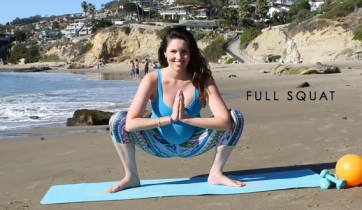
Well knees above bottom or ‘m’ shape with an older baby in a spread squat.

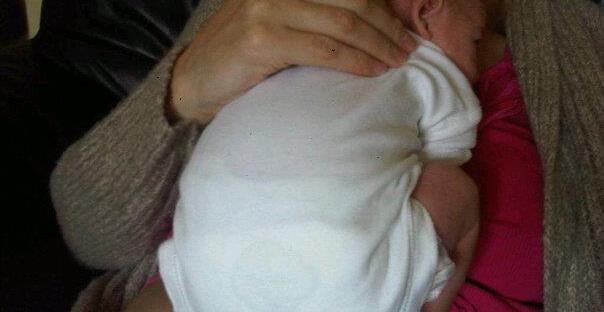
This is because a frogs legs are not in front of them; as you can see from the image above they are opened out to the side, ‘knees’ above their ‘bottom’ in an ‘M’ shape.  A baby does not open their hips into this position until they are around the 4 month mark. The key visual clue being when they start to put their feet in their mouth. Until  this point the position baby’s are actually adopting is a foetal position. But because baby isn’t lying on their side for us to see a traditional foetal position it gets missed. The two photos below show a newborn in the foetal position but only the image where the baby is lying on their side is a ‘classic’ foetal position. But in both they have brought their knees above their bottom, hands drawn near their faces and feet turned towards each other. This foetal position is probably the most commonly called “froggy legs”, when it is inaccurately used to describe the act of having baby “legs in” as opposed to  “legs out”. Legs in positions are generally no longer taught or advised by most UK consultants as it can make positioning them in the sling harder. When babies are still very curled up positions such as the Front Double Hammock, Kangaroo and Pocket Wrap Double Hammock work very well as baby is hammocked in sling rather than sitting on the crosses with lots of fabric bunched in little knee pits.

301733_10150961850296019_1885957327_n

The ‘froggy leg’ position should more accurately be described as a spread squat. Their pelvis has opened, their knees above bottom (flexed and abducted) in exactly the same way we as adults do when we do squats and even sit down. Baby is now able to bring their legs around their caregivers waist.

http://www.winfssi.com/images/Pithed.jpg

This position  in a sling is illustrated in the following images.

physio-transs-vav-grand2physio-transs-vav-grand1

The issue with using the term “froggy legs” is that it means so many different positions to so many different people; no wonder those starting their babywearing journey can be confused by what is best for their baby. Let’s try to regain the true meaning of “froggy legs” and work on how we describe baby’s position. Inaccurate use of terminology is only ever going to cause confusion.